
About Brassica oleracea
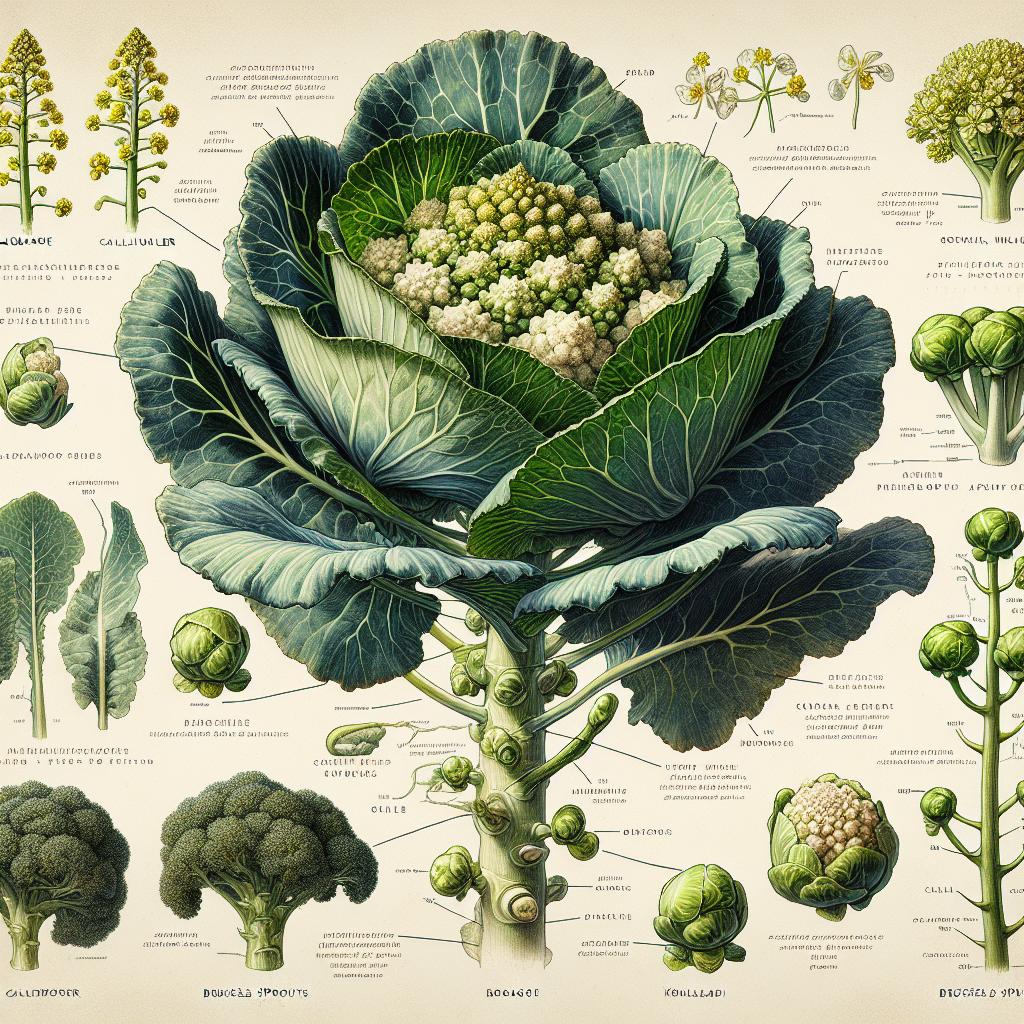
### Safety Information for Pets **Brassica oleracea**, which includes various cultivars such as cabbage, cauliflower, Brussels sprouts, and kale, is generally considered safe for pets in small amounts. However, large quantities can potentially cause digestive upset in dogs and cats due to their high fiber content. In some cases, ingestion of large amounts might lead to more serious issues such as gastrointestinal obstruction or bloating, especially in smaller animals. Always introduce these vegetables gradually if you choose to include them in your pet's diet and consult a veterinarian for specific advice. ### Detailed Information #### **Scientific Name**: Brassica oleracea #### **Common Names**: - Chou potager - Chou commun - Chou sauvage - Cabbage - Chou-fleur - Chou de Bruxelles - Chou maraîcher - Atlantischer Wildkohl - Gemuese-Kohl - Gemüse-Kohl - Chou de Milan - Cavolo comune - Have-kål #### **Family**: Brassicaceae #### **Plant Type**: Herb ### Description **Brassica oleracea** is a species of plant that includes many common vegetables. It is a biennial plant in the wild, growing vegetatively the first year and flowering in its second year. However, when cultivated, it is usually treated as an annual for its edible parts. #### **Appearance**: - **Leaves**: The leaves are large, thick, and can vary greatly in shape and size. They can be smooth or crinkled, and come in colors ranging from light green to dark purple. - **Stem**: The stem is thick and sturdy to support the large leaves and, in some cultivars, the heavy heads of cabbage or broccoli. - **Flowers**: When allowed to flower, the plant produces small, yellow, cross-shaped flowers, typical of the Brassicaceae family. - **Roots**: The root system is relatively shallow but extensive, allowing the plant to absorb nutrients efficiently. ### Cultivation **Brassica oleracea** prefers temperate climates and can be grown in a variety of soils, though it thrives best in well-drained, fertile soils with a pH between 6.0 and 7.5. It requires full sun and regular watering, especially during dry periods. #### **Propagation**: - **Seeds**: The most common method of propagation is through seeds. Seeds can be sown directly in the garden or started indoors and then transplanted. - **Spacing**: Plants should be spaced according to their type; for instance, cabbages need more space than kale. ### Uses **Brassica oleracea** is highly versatile and includes several cultivars with different uses: - **Cabbage (var. capitata)**: Used in salads, stir-fries, and fermented foods like sauerkraut. - **Cauliflower (var. botrytis)**: Often steamed, roasted, or used as a low-carb substitute for grains. - **Brussels sprouts (var. gemmifera)**: Typically roasted or steamed. - **Kale (var. sabellica)**: Can be used in salads, smoothies, or cooked dishes. - **Broccoli (var. italica)**: Commonly steamed, boiled, or eaten raw. ### Nutritional Information **Brassica oleracea** vegetables are rich in vitamins C, K, and B6, as well as dietary fiber, folate, and various phytonutrients. They are known for their antioxidant properties and potential health benefits, including anti-inflammatory effects and reducing the risk of certain cancers. ### Potential Issues - **Pests**: Common pests include aphids, cabbage worms, and flea beetles. - **Diseases**: Susceptible to diseases like black rot, clubroot, and downy mildew. ### Conclusion **Brassica oleracea** is a diverse and widely cultivated group of vegetables that are not only nutritious but also versatile in culinary uses. While they are generally safe for pets in moderation, it is important to be cautious with the amounts given to avoid potential digestive issues. This plant is an excellent addition to both gardens and diets, offering a range of benefits and uses.
Be honest — you won't remember this article at 2am when your pet eats something.
Skip the Googling next time. Scan Brassica oleracea (or anything else) in ToxiPets and get an instant answer personalized to your pet's weight and breed.