
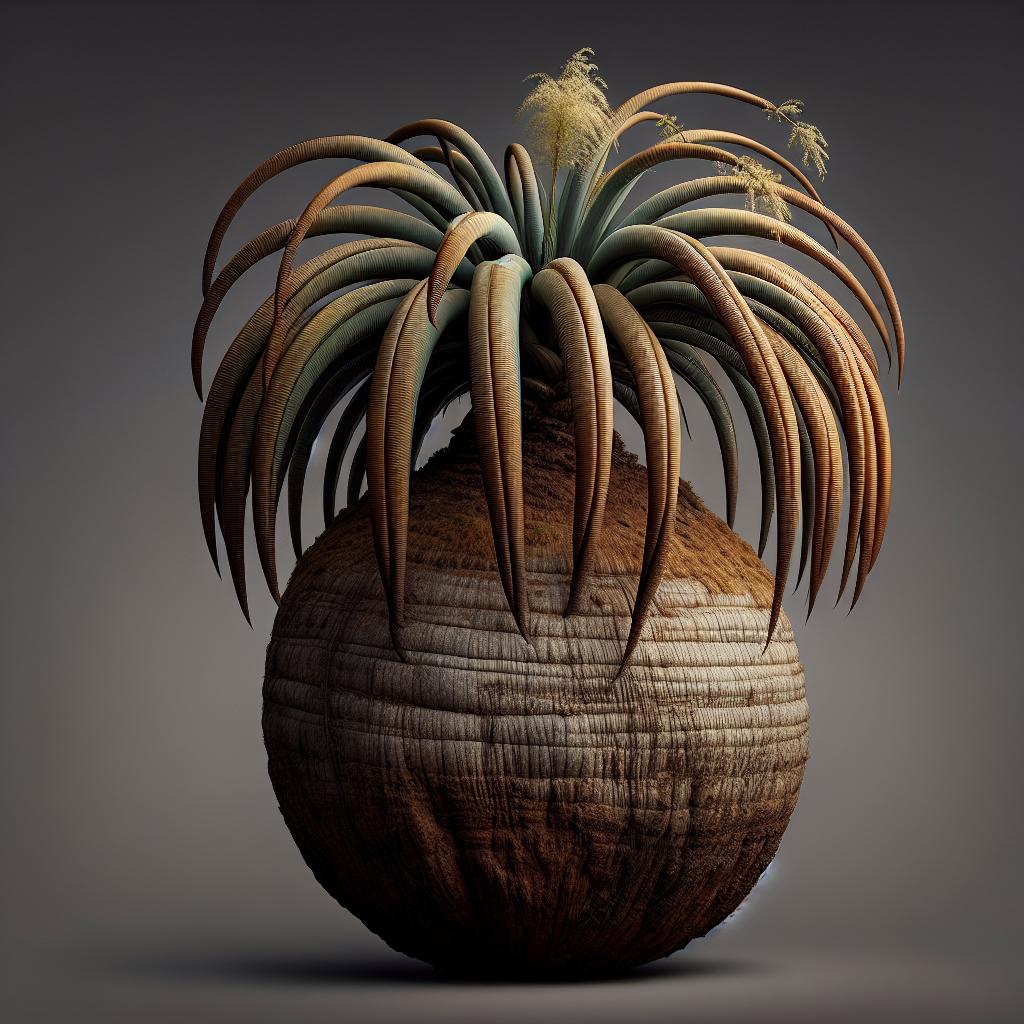
About Beaucarnea recurvata
### Safety Information for Pets **Beaucarnea recurvata**, commonly known as the Ponytail Palm, Elephant-Foot Tree, and other names, is generally considered non-toxic to pets. This makes it a safe choice for households with cats, dogs, and other animals. However, always monitor your pets to ensure they do not excessively chew on the plant, as ingesting large quantities of any plant material can potentially lead to digestive upset. ### Detailed Information about Beaucarnea recurvata **Scientific Name**: Beaucarnea recurvata **Common Names**: - Nolina - Bottle-Palm - Elephant-Foot Tree - Biucarnea - Palma Moja - Pata-de-Elefante - Bottle-Palm - Boca de Cántaro - Stripy Ponytail - Pony-Tail - Ponytail - Elephant-Foot Tree - Pata de Elefante - Beaucarnea - Flasklilja - Apachite **Family**: Liliaceae or Asparagaceae (Note: There is some taxonomical discussion, and it is often placed in the Asparagaceae family in more recent classifications.) **Plant Type**: Tree ### Description **Appearance**: - **Trunk**: The plant is distinguished by its swollen, bulbous trunk that resembles an elephant's foot, giving rise to one of its common names. This trunk serves as a water reservoir, enabling the plant to survive in arid conditions. - **Leaves**: The leaves are long, thin, and arching, resembling a ponytail, hence the common name Ponytail Palm. They are green, and the edges may be slightly serrated. - **Height**: In its natural habitat, Beaucarnea recurvata can grow up to 30 feet (9 meters) tall. However, when grown indoors as a houseplant, it typically reaches about 3-4 feet (1-1.2 meters) in height. **Growth**: - **Rate**: This plant is known for its slow growth rate, making it an easy-to-manage indoor plant. - **Propagation**: Propagation is usually done through seeds or offsets that grow at the base of the plant. **Care Requirements**: - **Light**: Prefers bright, indirect sunlight but can tolerate lower light conditions. Direct sunlight can enhance its growth. - **Water**: Requires minimal watering due to its drought-tolerant nature. Water thoroughly and allow the soil to dry out completely between watering. Overwatering can lead to root rot. - **Soil**: Prefers well-draining soil. A cactus or succulent mix is ideal. - **Temperature**: Thrives in temperatures between 60-80°F (15-27°C). It is not frost-tolerant. - **Humidity**: Tolerates low humidity but will appreciate occasional misting in very dry environments. - **Fertilization**: Feed with a balanced, water-soluble fertilizer every 2-3 months during the growing season (spring and summer). **Pests and Diseases**: Generally resistant to pests, but may occasionally suffer from mealybugs, spider mites, or root rot if overwatered. ### Uses **Ornamental**: - Beaucarnea recurvata is primarily used as an ornamental plant both indoors and outdoors. Its unique appearance makes it a popular choice for interior decor, adding a tropical or desert-like aesthetic to homes and offices. - **Outdoor Landscaping**: In suitable climates, it can be used in xeriscaping (landscaping that reduces the need for irrigation), rock gardens, and as a focal point in garden designs. ### Conclusion Beaucarnea recurvata is a versatile and visually striking plant that is easy to care for, making it an excellent choice for both novice and experienced gardeners. Its non-toxic nature is an added bonus for pet owners, ensuring a safe and beautiful addition to any home or garden.