
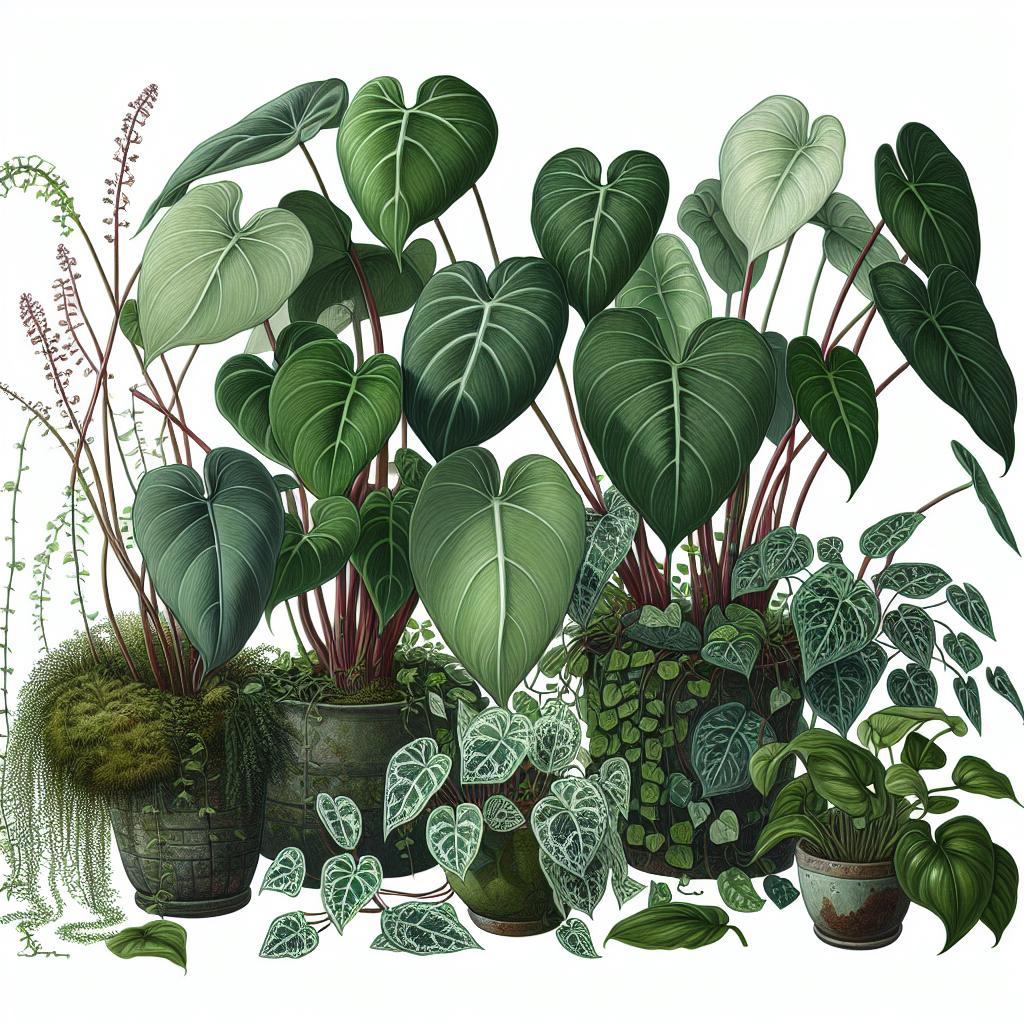
About Philodendron hederaceum
### Safety Information for Pets **Philodendron hederaceum**, commonly known as heart-leaf philodendron or vilevine, is toxic to pets, including cats and dogs. The plant contains calcium oxalate crystals, which can cause irritation and swelling of the mouth, tongue, and throat, leading to drooling, difficulty swallowing, and vomiting if ingested. In severe cases, it can cause respiratory issues. It is advisable to keep this plant out of reach of pets to prevent accidental ingestion. ### General Description #### Scientific Name - **Philodendron hederaceum** #### Common Names - Vilevine - Heart-leaf Philodendron - Maria-mole - Kletternder Philodendron - Klätterkalla - Vilevine #### Family - **Araceae** #### Plant Type - Vine ### Detailed Information #### Origin and Distribution Philodendron hederaceum is native to Central and South America and is commonly found in tropical rainforests. It has also been naturalized in parts of the Caribbean. #### Appearance - **Leaves**: The leaves are heart-shaped, glossy, and can range in color from dark green to a more bronze or even variegated appearance. The juvenile leaves are smaller and more tender, while mature leaves can grow larger and thicker. - **Stems**: The stems are slender and flexible, allowing the plant to climb or trail. They often have a reddish hue when young. - **Height**: When grown indoors, it typically reaches lengths of 4 to 6 feet, but it can grow much longer in its natural habitat. #### Growth Habit Philodendron hederaceum is a climbing vine that uses aerial roots to attach itself to trees or other structures. It can also be grown in hanging baskets where it will trail downwards. #### Light Requirements - Prefers bright, indirect light but can tolerate low light conditions. Direct sunlight can scorch the leaves. #### Watering - Keep the soil consistently moist but not waterlogged. Allow the top inch of the soil to dry out between waterings. Over-watering can lead to root rot. #### Soil - Prefers a well-draining potting mix. A mix designed for aroids or a combination of regular potting soil with perlite or orchid bark works well. #### Humidity and Temperature - Thrives in high humidity environments but can tolerate average indoor humidity levels. Ideal temperature range is 65-80°F (18-27°C). #### Fertilization - Feed with a balanced, water-soluble fertilizer every 4-6 weeks during the growing season (spring and summer). Reduce feeding during the fall and winter when the plant's growth slows down. #### Propagation - Easily propagated by stem cuttings. Cut a section of the stem with at least one or two nodes and place it in water or soil until roots develop. #### Common Problems - **Pests**: Susceptible to common houseplant pests like spider mites, aphids, and mealybugs. Regularly inspect the plant and treat any infestations promptly. - **Diseases**: Over-watering can lead to root rot. Ensure good drainage and avoid letting the plant sit in water. ### Uses - **Decorative**: Popular as a decorative houseplant due to its attractive foliage and easy care requirements. - **Air Purification**: Known to help improve indoor air quality by removing toxins from the air. ### Care Tips - Regularly clean the leaves to remove dust and improve photosynthesis. - Prune to control the size and shape of the plant, and to remove any yellow or dead leaves. - Support climbing plants with a moss pole or trellis. Philodendron hederaceum is a versatile and resilient plant that can add a touch of greenery to any indoor space while being relatively easy to care for. Just be mindful of its toxicity to pets and take appropriate precautions.
Be honest — you won't remember this article at 2am when your pet eats something.
Skip the Googling next time. Scan Philodendron hederaceum (or anything else) in ToxiPets and get an instant answer personalized to your pet's weight and breed.