
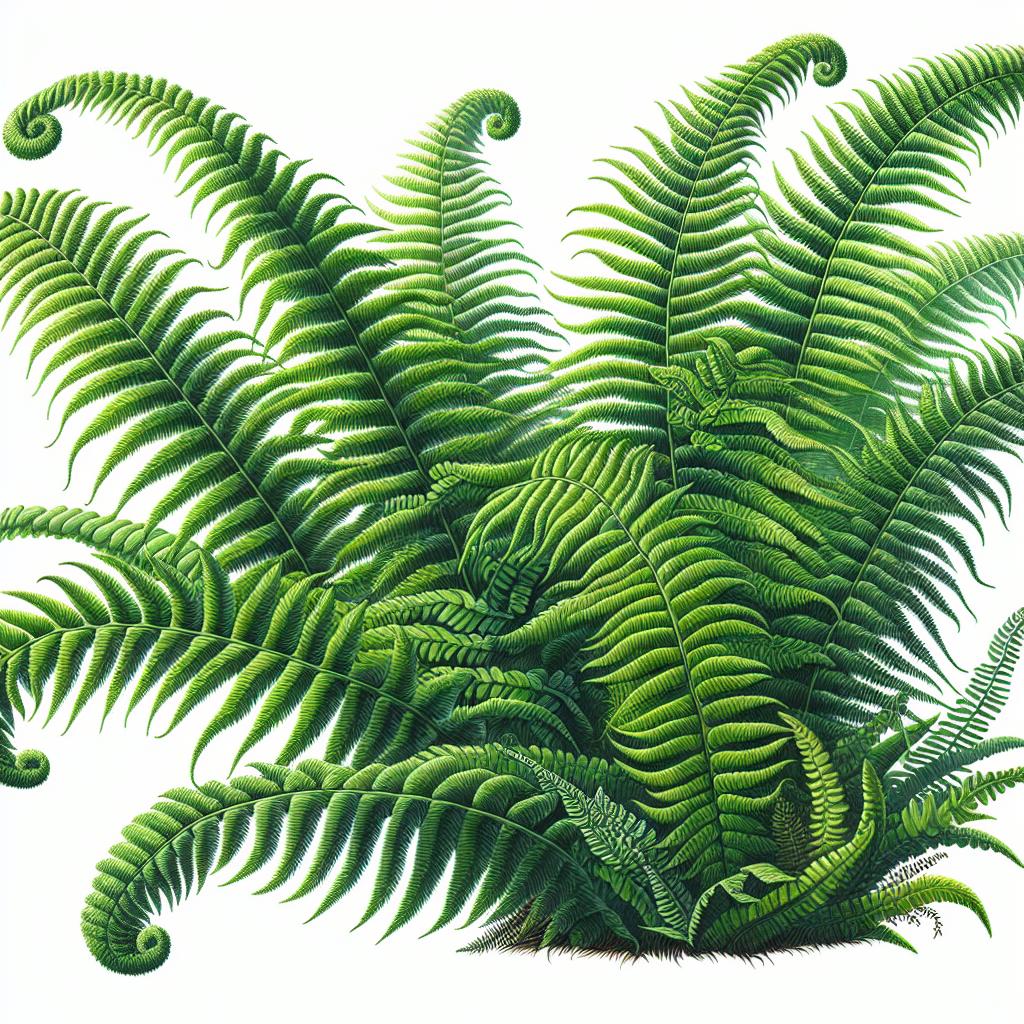
About Nephrolepis exaltata
### Nephrolepis exaltata #### Safety Information for Pets **Nephrolepis exaltata**, commonly known as the Boston Fern or Sword Fern, is generally considered **non-toxic to cats, dogs, and horses**. This makes it a safe choice for households with pets, as it does not pose a risk of poisoning if ingested. However, it's always a good practice to prevent pets from chewing on plants to avoid any potential digestive upset or other minor issues. #### General Description - **Scientific Name**: Nephrolepis exaltata - **Common Names**: Boston sword fern, Boston Swordfern, swaardvaring, Sword Fern, Boston swordfern, spjutbräken, feto-espada, sword fern, Boston fern - **Family**: Dryopteridaceae - **Plant Type**: Fern #### Origin and Habitat Nephrolepis exaltata is native to tropical regions worldwide. It thrives in humid, forested environments and is often found as an epiphyte on trees or growing on the forest floor. #### Appearance - **Fronds**: The Boston Fern has long, arching fronds that can grow up to 2-3 feet in length. The fronds are pinnate, with numerous small leaflets (pinnae) that give the plant a feathery appearance. - **Color**: The fronds are typically a vibrant green, adding a lush, tropical feel to indoor or outdoor spaces. - **Growth Habit**: This fern grows in a clumping, spreading manner and can be quite expansive when provided with the right conditions. It is also known for its graceful, arching fronds that create a cascading effect, making it a popular choice for hanging baskets. #### Growing Conditions - **Light**: Nephrolepis exaltata prefers indirect, filtered light. It can tolerate low light conditions but thrives best in bright, indirect light. Direct sunlight can scorch the fronds. - **Temperature**: This fern favors temperatures between 60-75°F (16-24°C). It is not frost-tolerant and should be protected from cold drafts and temperatures below 50°F (10°C). - **Humidity**: High humidity is essential for the Boston Fern. It prefers humidity levels of 50% or higher. In dry indoor environments, misting the fronds or using a humidifier can help maintain adequate moisture. - **Watering**: The soil should be kept consistently moist but not waterlogged. Water the plant when the top inch of soil feels dry. Overwatering can lead to root rot, while underwatering can cause the fronds to brown and dry out. - **Soil**: A well-draining, rich potting mix is ideal. Adding organic matter, such as peat moss or compost, can help retain moisture without becoming waterlogged. - **Fertilization**: During the growing season (spring and summer), feed the fern every 4-6 weeks with a balanced, water-soluble fertilizer diluted to half strength. Reduce feeding during the fall and winter months when the plant's growth slows. #### Propagation Nephrolepis exaltata can be propagated through division. This is best done in the spring when the plant is actively growing. Carefully separate the root ball into smaller sections, ensuring each division has several fronds and a portion of the root system. Replant the divisions in fresh potting mix and water them thoroughly. #### Common Issues - **Pests**: Boston Ferns can be susceptible to pests such as spider mites, mealybugs, and scale insects. Regularly inspect the plant and treat any infestations promptly with insecticidal soap or neem oil. - **Leaf Browning**: Browning of the frond tips can occur due to low humidity, underwatering, or exposure to direct sunlight. Adjust the plant's environment to address these issues. - **Leaf Drop**: This can be caused by sudden changes in temperature or humidity, overwatering, or underwatering. Ensure consistent care and an appropriate environment to prevent leaf drop. #### Uses - **Ornamental**: The Boston Fern is widely used as an ornamental plant both indoors and outdoors. Its lush, green fronds make it a popular choice for hanging baskets, pots, and as a ground cover in shaded garden areas. - **Air Purification**: This fern is known for its air-purifying qualities, making it a great addition to indoor spaces to help improve air quality. Overall, Nephrolepis exaltata is a beautiful, non-toxic fern that can add a touch of greenery and elegance to any space, provided its needs for light, humidity, and moisture are met.
Be honest — you won't remember this article at 2am when your pet eats something.
Skip the Googling next time. Scan Nephrolepis exaltata (or anything else) in ToxiPets and get an instant answer personalized to your pet's weight and breed.