
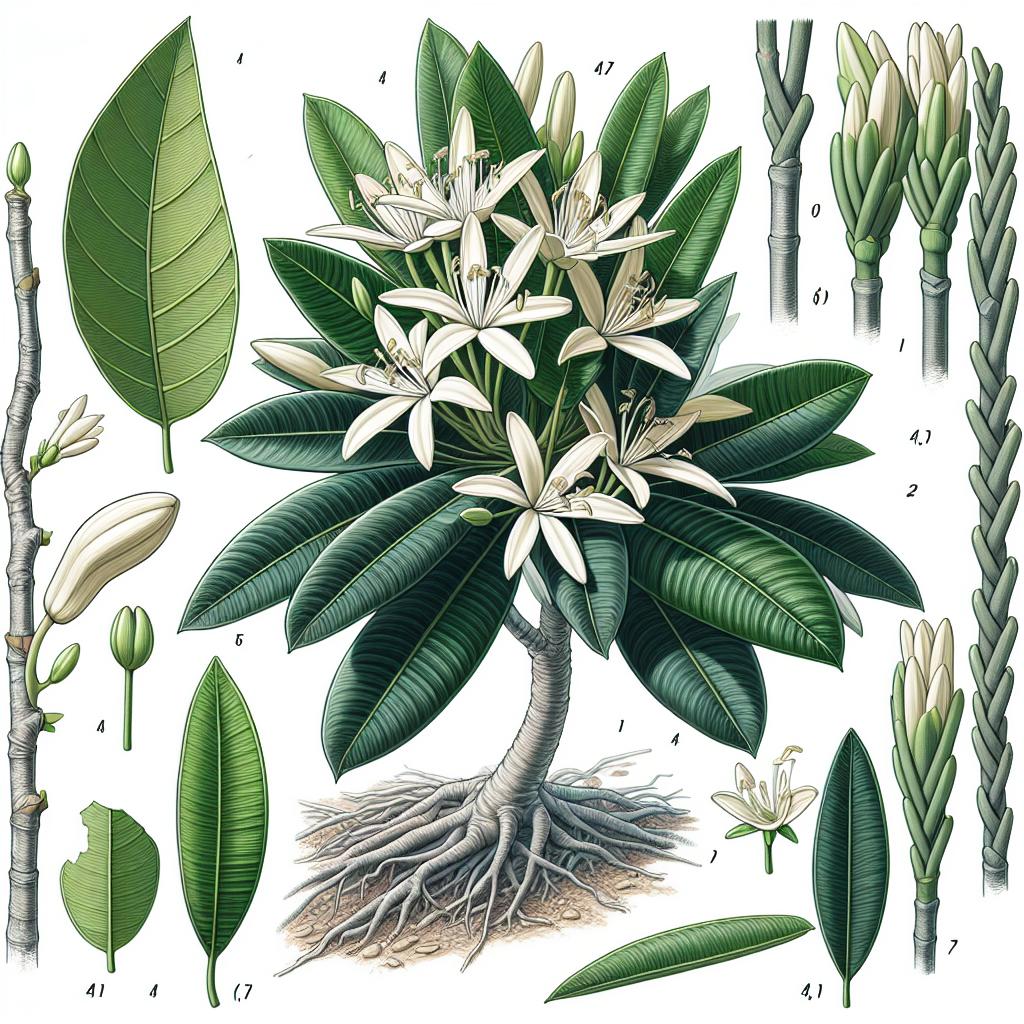
About Pachira aquatica
### Safety Information for Pets - **Toxicity**: Pachira aquatica is generally considered non-toxic to pets, including cats and dogs. However, it is always advisable to monitor pets to ensure they do not excessively chew on the plant, as ingestion of large amounts of plant material can sometimes cause mild gastrointestinal upset. ### Detailed Plant Information **Scientific Name**: Pachira aquatica **Common Names**: - Hazo be - Guiana-chestnut - Cacao cimarron (Dominican Republic) - Amida - Colorado - Malabar chestnut - French peanut - Guiana chestnut - Provision tree - Saba nut - Ceibon de agua - Marce - Châtaignier de la Guyane - Noisetier de la Guyane - Noix de Malabar - Cacaoyer-rivière - Arbre à monnaie (Money tree) - Pachirier aquatique - Carolina blanca - Castano silvestre - Cacao cimarrón - Colorade - Ceiba de agua - Carolina - Ceibon de arroyo - Guiana-Chestnut - Malabar-chestnut - Carolinea - Chataigne d'eau (Lesser Antilles: Guadeloupe) **Family**: Bombacaceae (Note: In some classifications, it is placed within the Malvaceae family due to ongoing taxonomic revisions) **Plant Type**: Tree ### Description - **Origin**: Native to Central and South America, particularly in the swamps and wetlands of countries like Brazil, Costa Rica, and Panama. - **Growth Habit**: Pachira aquatica is a tropical wetland tree that can grow up to 18 meters (60 feet) in its natural habitat. However, when cultivated indoors as a houseplant, it typically reaches a height of about 1.8 to 2.4 meters (6 to 8 feet). - **Leaves**: The leaves are palmate and compound, with 5 to 7 leaflets that are shiny, green, and lanceolate in shape. The leaflets can be up to 30 cm (12 inches) long. - **Flowers**: The plant produces large, showy flowers that are white to cream-colored with long, narrow petals. They have a unique appearance with a pom-pom-like center of numerous stamens. The flowers are fragrant and often bloom at night. - **Fruit**: The fruit is a woody capsule that can grow up to 30 cm (12 inches) in length. When mature, it splits open to reveal large, edible seeds that are sometimes referred to as "nuts." These seeds can be eaten raw, roasted, or ground into flour. ### Cultivation - **Light**: Pachira aquatica prefers bright, indirect light but can tolerate low light conditions. Direct sunlight should be avoided as it can scorch the leaves. - **Water**: The plant thrives in moist conditions but should not be waterlogged. Allow the top inch of soil to dry out between waterings. Overwatering can lead to root rot. - **Soil**: A well-draining potting mix is essential. A mix designed for tropical plants or a combination of peat, perlite, and pine bark works well. - **Temperature**: Ideal temperatures range from 15°C to 25°C (60°F to 77°F). The plant is sensitive to cold and should be kept away from drafts and sudden temperature changes. - **Humidity**: High humidity is beneficial. If the air is too dry, especially in winter, consider using a humidity tray or a humidifier. - **Fertilization**: Feed with a balanced, water-soluble fertilizer every 2-4 weeks during the growing season (spring and summer). Reduce feeding during fall and winter when the plant's growth slows down. ### Additional Information - **Symbolism**: Pachira aquatica is often referred to as the "Money Tree" and is considered a symbol of good luck and prosperity in many cultures, particularly in East Asia. It is a popular choice for Feng Shui. - **Propagation**: The plant can be propagated from seeds or cuttings. Seeds should be sown in a well-draining medium and kept moist. Cuttings should be taken from healthy, non-flowering stems and rooted in water or a moist growing medium. ### Common Issues - **Leaf Yellowing**: Often a sign of overwatering or poor drainage. Ensure the plant is not sitting in water and that the soil drains well. - **Leaf Drop**: Can occur due to sudden changes in light, temperature, or humidity. Gradually acclimate the plant to new conditions. - **Pests**: While generally not prone to pests, it can occasionally be affected by spider mites, mealy
Be honest — you won't remember this article at 2am when your pet eats something.
Skip the Googling next time. Scan Pachira aquatica (or anything else) in ToxiPets and get an instant answer personalized to your pet's weight and breed.