
About Acacia cultriformis
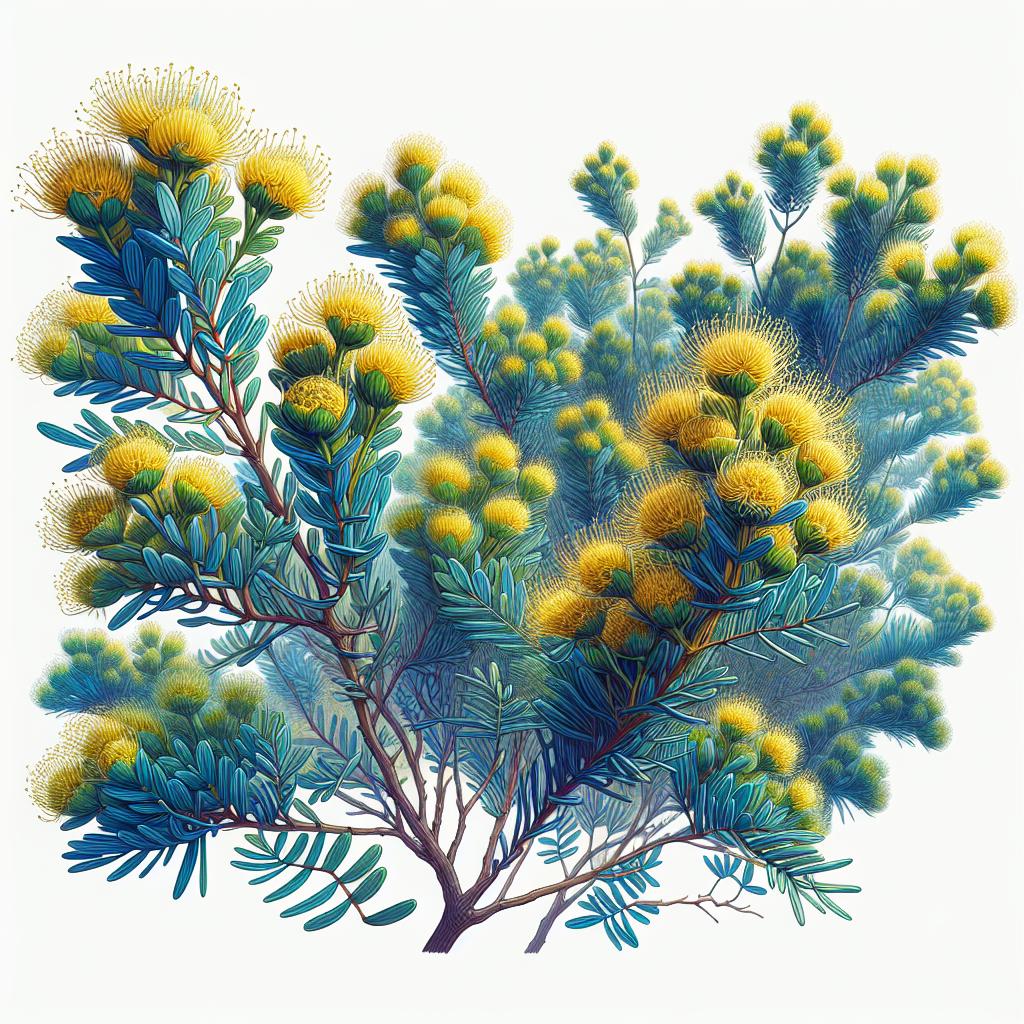
### Safety Information for Pets **Acacia cultriformis**, commonly known as Dogtooth Wattle or Knife-leaf Wattle, is generally considered non-toxic to pets. However, it is always crucial to monitor pets around any plants, as ingestion of large quantities might cause mild gastrointestinal upset. If you suspect your pet has ingested any part of this plant and is showing signs of distress, it is advisable to contact your veterinarian immediately. ### Detailed Plant Description #### **Scientific Name**: Acacia cultriformis #### **Common Names**: - Dogtooth Wattle - Mimosa couteau - Knife-leaf Wattle - Golden-glow Wattle - Knife Acacia - Half-moon Wattle #### **Family**: Fabaceae #### **Plant Type**: Shrub ### Physical Description **Acacia cultriformis** is an evergreen shrub that can grow to a height of 3-4 meters (10-13 feet) and a width of approximately 2-3 meters (6.5-10 feet). The plant has a distinctive appearance due to its unique foliage and bright yellow flowers. #### **Leaves**: The leaves of Acacia cultriformis are actually modified leaf stems known as phyllodes, which are adapted to reduce water loss. The phyllodes are triangular or sickle-shaped (hence the name "knife-leaf") and are about 2-3 cm long and 1-2 cm wide. They have a bluish-green to grey-green color and are quite leathery to the touch. #### **Flowers**: The flowers are bright yellow and appear in clusters. Each flower head is globular and about 5-8 mm in diameter, consisting of numerous tiny flowers. The flowering period typically occurs from late winter to early spring (August to October in the Southern Hemisphere). #### **Fruit**: The fruit is a pod that is roughly 5-10 cm long and 0.5-1 cm wide. The pods are straight or slightly curved, and they contain several seeds. ### Habitat and Distribution Acacia cultriformis is native to southeastern Queensland and northeastern New South Wales in Australia. It typically grows in open forests and woodlands, often on rocky or sandy soils. The plant is adaptable to a variety of conditions and can be found in both coastal and inland regions. ### Cultivation and Care #### **Soil**: This plant prefers well-drained soils and can tolerate poor or rocky soil conditions. It is drought-resistant once established. #### **Light**: Acacia cultriformis thrives in full sun but can also tolerate partial shade. #### **Watering**: While it is drought-tolerant, regular watering during the establishment phase will encourage healthy growth. Once established, it requires minimal watering. #### **Pruning**: Pruning is not typically necessary but can be done to maintain shape or remove any dead or damaged branches. #### **Propagation**: The plant can be propagated from seeds or cuttings. Seeds may require pre-treatment, such as soaking in hot water, to encourage germination. ### Uses - **Ornamental**: Due to its striking appearance and bright yellow flowers, Acacia cultriformis is often used as an ornamental plant in gardens and landscaping. - **Erosion Control**: Its extensive root system makes it suitable for erosion control on slopes and banks. - **Wildlife Habitat**: The plant provides habitat and food for various wildlife, including birds and insects. ### Pests and Diseases Acacia cultriformis is relatively pest and disease-resistant. However, it can occasionally be affected by: - **Aphids**: These can be controlled with insecticidal soap or natural predators like ladybugs. - **Root Rot**: Ensure good drainage to prevent root rot, especially in heavier soils. ### Environmental Impact Acacia cultriformis is not considered invasive in most regions outside its native range, but it is always important to check with local guidelines before planting non-native species. ### Conclusion **Acacia cultriformis** is a resilient and attractive shrub that can enhance the aesthetic and ecological value of gardens and landscapes. Its non-toxic nature to pets, combined with its low maintenance requirements, makes it an excellent choice for many gardeners.