
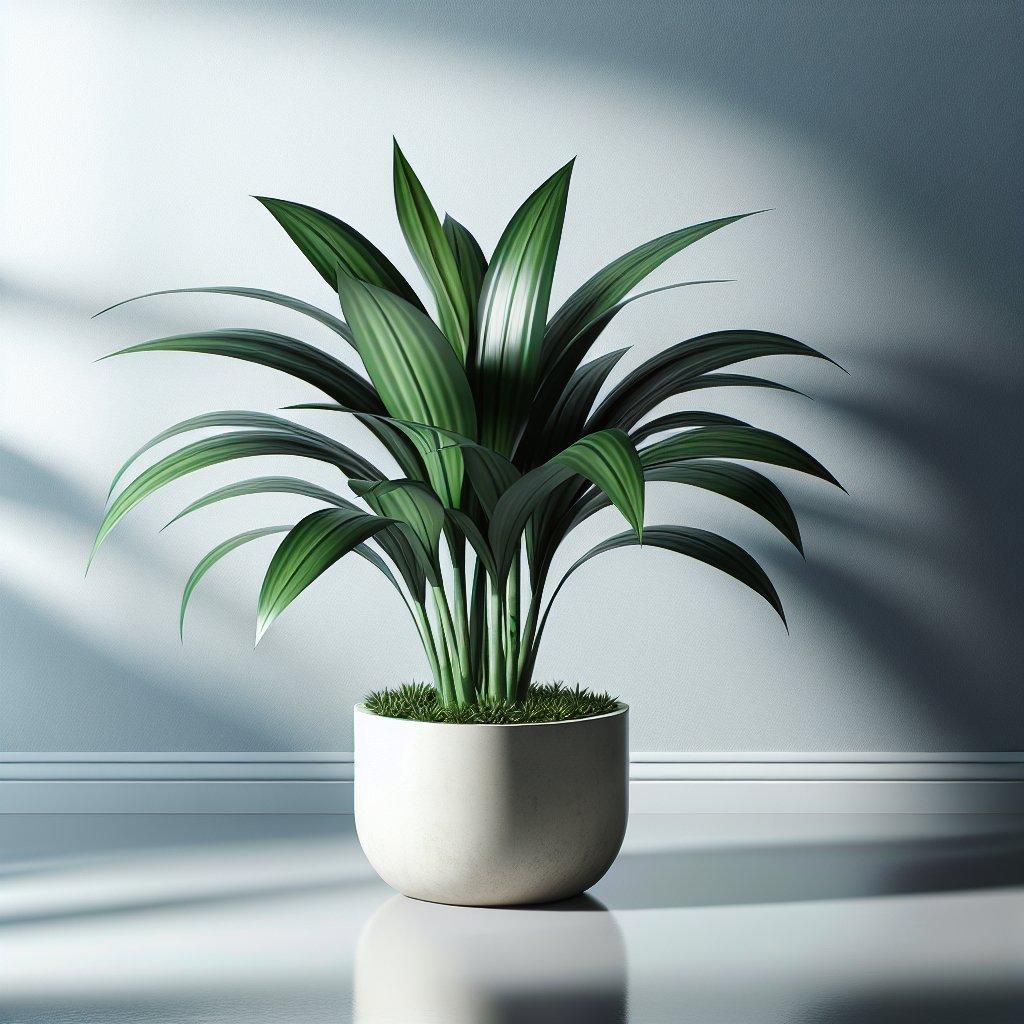
About Dracaena reflexa
### Dracaena reflexa (Song of India) Detailed Information #### Safety Information for Pets - **Toxicity**: Dracaena reflexa is toxic to pets, particularly cats and dogs. - **Toxic Compounds**: The plant contains saponins, which can cause gastrointestinal upset. - **Symptoms**: If ingested, pets may exhibit symptoms such as vomiting, drooling, loss of appetite, and in severe cases, increased heart rate and weakness. - **Action**: If you suspect your pet has ingested any part of the plant, contact your veterinarian immediately. #### General Description - **Scientific Name**: Dracaena reflexa - **Common Names**: pau-d'água, pleomele, Bois de chandelle, Chandelle, dracena-malaia, song-of-India, Hasini, Moutsanga, guldbandsdracena - **Family**: Agavaceae (also sometimes classified under Asparagaceae) - **Plant Type**: Shrub #### Physical Characteristics - **Height**: Typically grows to about 3-6 feet indoors but can reach up to 10-20 feet in its natural habitat. - **Leaves**: The leaves are narrow, lanceolate, and can be up to 12 inches long. They are usually arranged in spirals and have a distinctive green color with cream or yellowish edges. - **Stems**: Woody stems that are often slender and can become quite thick with age. #### Growth Requirements - **Light**: Prefers bright, indirect light but can tolerate lower light conditions. Direct sunlight can scorch the leaves. - **Water**: Requires moderate watering. The soil should be kept moist but not soggy. Allow the top inch of soil to dry out between waterings. - **Soil**: Well-draining potting mix, ideally one that retains some moisture but does not stay waterlogged. - **Temperature**: Thrives in temperatures between 65-75°F (18-24°C). It should be kept away from cold drafts and sudden temperature changes. - **Humidity**: Prefers high humidity but can adapt to average household humidity levels. #### Care and Maintenance - **Pruning**: Regular pruning helps maintain its shape and encourages bushier growth. Remove any yellowing or dead leaves. - **Fertilization**: Feed with a balanced, water-soluble fertilizer every 4-6 weeks during the growing season (spring and summer). Reduce feeding in the fall and winter. - **Repotting**: Repot every 2-3 years or when the plant becomes root-bound. Use a slightly larger pot with fresh potting mix. #### Propagation - **Cuttings**: The most common method of propagation is by stem cuttings. Cut a healthy stem section with at least one node and plant it in moist potting mix or water until roots develop. - **Air Layering**: Another method is air layering, where a section of the stem is wounded and wrapped in moist sphagnum moss until roots form. #### Pests and Problems - **Pests**: Prone to spider mites, mealybugs, and scale insects. Regularly inspect the plant and treat infestations promptly with insecticidal soap or neem oil. - **Diseases**: Can be affected by root rot if overwatered. Ensure proper drainage and avoid waterlogging the soil. #### Additional Information - **Origin**: Native to Madagascar, Mauritius, and other islands in the Indian Ocean. - **Uses**: Popular as an ornamental houseplant due to its striking foliage and relatively easy care. It is also used in landscaping in suitable climates. - **Air Purification**: Known for its ability to improve indoor air quality by removing toxins such as formaldehyde, benzene, and trichloroethylene. By following these care guidelines, Dracaena reflexa can be a beautiful and low-maintenance addition to your indoor plant collection. However, always ensure it is placed in an area inaccessible to pets to prevent any accidental ingestion.
Be honest — you won't remember this article at 2am when your pet eats something.
Skip the Googling next time. Scan Dracaena reflexa (or anything else) in ToxiPets and get an instant answer personalized to your pet's weight and breed.