
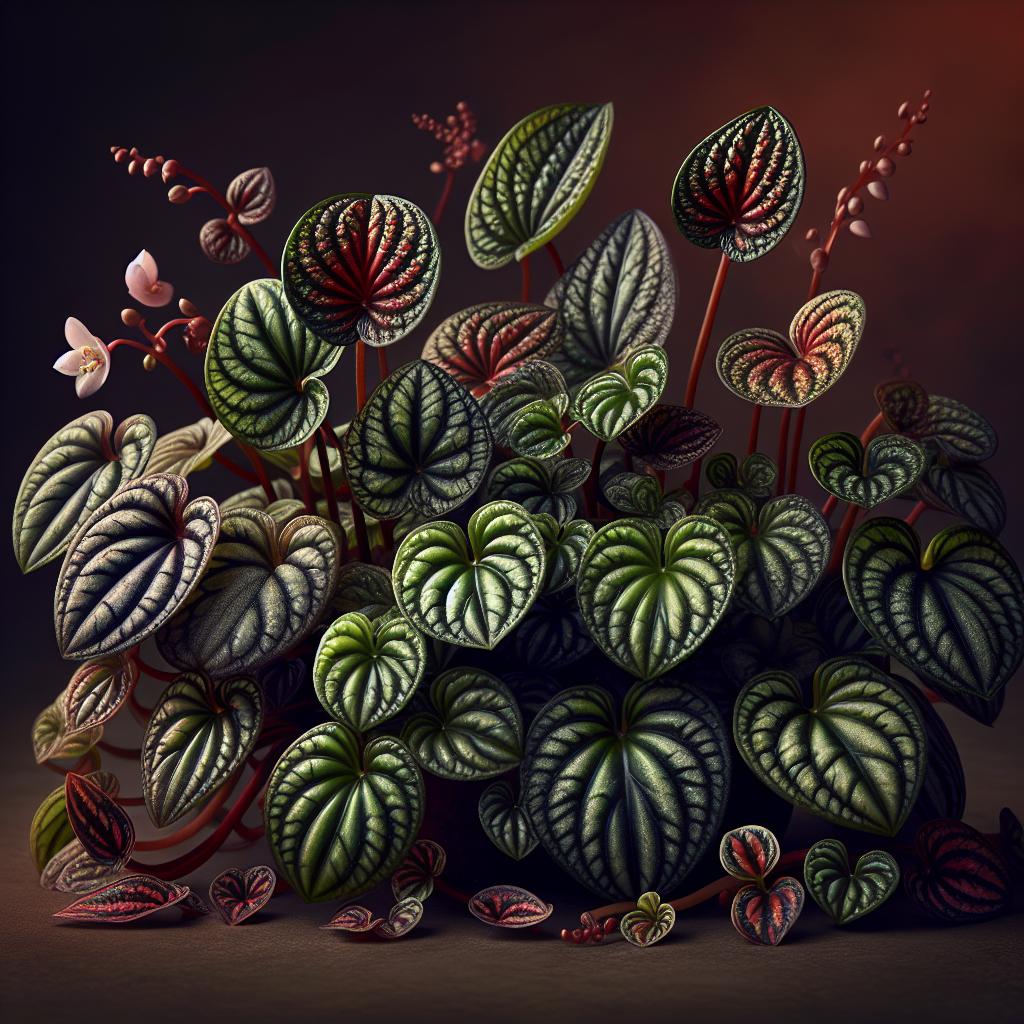
About Peperomia
### Peperomia Plant Profile #### Safety Information for Pets: Peperomia plants are generally considered non-toxic to pets, including cats and dogs. This makes them a pet-friendly option for households with furry companions. However, while they are not toxic, ingestion of any plant material can sometimes lead to mild gastrointestinal upset in pets. It's always best to prevent pets from chewing on houseplants to avoid any potential issues. #### General Information: - **Scientific Name**: Peperomia - **Common Names**: Peperomia - **Family**: Piperaceae - **Plant Type**: Herbaceous perennial #### Description: Peperomia is a diverse genus of plants, with over 1,000 species that vary widely in appearance. They are generally small, compact plants that can grow as epiphytes or terrestrially. They are admired for their attractive foliage, which can be heart-shaped, oval, or lanceolate, and come in a variety of textures and colors, including green, red, gray, and variegated patterns. #### Growth Habit: Peperomia plants are typically low-growing, reaching heights of 6 to 12 inches (15 to 30 cm). They can spread equally wide, making them ideal for small spaces or as part of a mixed plant arrangement. Some species have a trailing habit, making them suitable for hanging baskets. #### Leaves: The leaves of Peperomia plants are thick and succulent-like, which helps them retain water. They can be smooth, wrinkled, or have a quilted appearance. The leaf surface can be glossy or matte, and many species exhibit attractive variegation or marbling. #### Flowers: Peperomia plants produce small, inconspicuous flowers on slender spikes called inflorescences. The flowers themselves are typically not showy and are often considered less significant compared to the striking foliage. #### Light Requirements: Peperomias thrive in bright, indirect light but can tolerate lower light conditions. Direct sunlight can scorch their leaves, so it's best to place them in a spot where they receive filtered light. #### Watering: These plants prefer to be kept on the drier side. Allow the soil to dry out partially between waterings. Overwatering can lead to root rot, so it's crucial to ensure proper drainage. #### Soil: Peperomia plants prefer a well-draining, aerated soil mix. A standard houseplant potting mix with added perlite or orchid bark works well. They can also be grown in a cactus or succulent mix. #### Humidity: While Peperomia plants can adapt to average household humidity levels, they appreciate higher humidity. Misting the leaves occasionally or placing the plant on a humidity tray can be beneficial. #### Temperature: Peperomias thrive in temperatures between 65°F and 75°F (18°C to 24°C). They are sensitive to cold drafts and should be protected from temperatures below 50°F (10°C). #### Fertilization: Feed Peperomia plants with a balanced, water-soluble fertilizer diluted to half strength every 4 to 6 weeks during the growing season (spring and summer). Reduce feeding in the fall and winter when the plant's growth slows down. #### Propagation: Peperomia can be easily propagated through stem cuttings, leaf cuttings, or division. Stem and leaf cuttings can be rooted in water or directly in soil. #### Common Issues: - **Overwatering**: Can lead to root rot; ensure the soil dries out between waterings. - **Pests**: Generally pest-free but can occasionally attract mealybugs, spider mites, and aphids. - **Leaf Drop**: Often caused by overwatering or sudden changes in temperature. Peperomia plants are an excellent choice for both novice and experienced plant enthusiasts due to their low maintenance requirements and attractive foliage. Their non-toxic nature makes them a safe and beautiful addition to any home.