
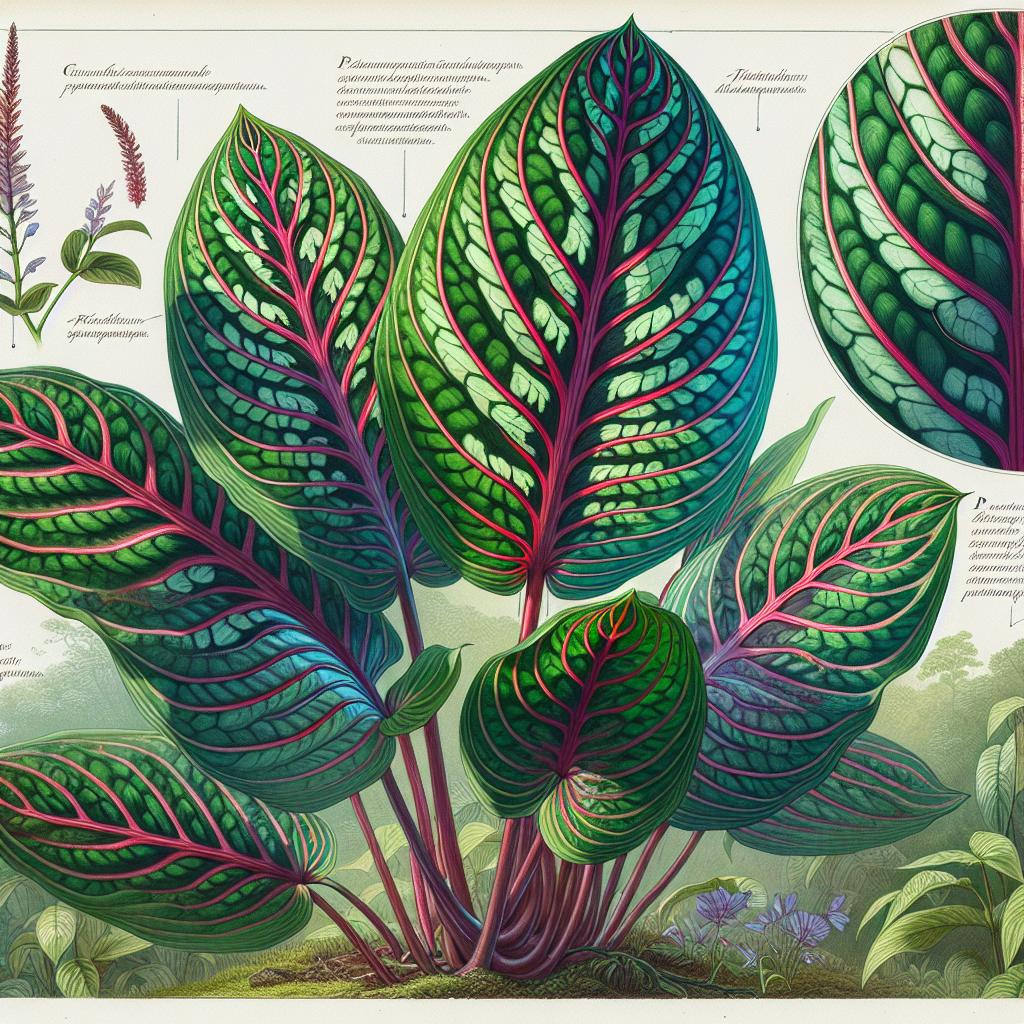
About Maranta leuconeura
### Maranta leuconeura (Prayer Plant) #### Safety Information for Pets: - **Toxicity**: Non-toxic to cats and dogs. - **ASPCA Listing**: Maranta leuconeura is listed by the ASPCA as non-toxic to pets. - **Precautions**: While non-toxic, ingestion of large quantities can still cause minor gastrointestinal upset due to the fibrous nature of the plant. It is always advisable to discourage pets from chewing on houseplants. #### General Description: - **Common Names**: Prayer Plant, Ten-Commandments, Moses Stentavlor - **Family**: Marantaceae - **Plant Type**: Herbaceous perennial #### Appearance: - **Leaves**: The Prayer Plant is renowned for its striking foliage. The leaves are oval and typically have a unique, intricate pattern. They are dark green with lighter green or white veins, and reddish-purple undersides. The plant gets its common name from the way the leaves fold up at night, resembling hands in prayer. - **Height**: Generally grows to about 12-18 inches (30-45 cm) tall. - **Spread**: The spread is usually about the same as its height, making it a compact plant. #### Growing Conditions: - **Light**: Prefers bright, indirect light but can tolerate lower light conditions. Exposure to direct sunlight can scorch the leaves. - **Soil**: Thrives in well-draining, loamy soil with a slightly acidic to neutral pH (5.5-6.0). - **Watering**: Requires consistently moist soil but should never be waterlogged. Water when the top inch of soil feels dry. Prayer Plants appreciate high humidity, so misting or using a humidity tray can be beneficial. - **Temperature**: Ideal temperature range is between 60°F to 80°F (15°C to 27°C). It does not tolerate cold drafts or temperatures below 55°F (13°C). - **Fertilizing**: Feed with a balanced, water-soluble fertilizer every 2-4 weeks during the growing season (spring and summer). Reduce feeding in the fall and winter. #### Care Tips: - **Pruning**: Regularly remove dead or yellowing leaves to maintain plant health and appearance. - **Repotting**: Repot every 2-3 years or when the plant outgrows its current pot. Choose a pot that is only slightly larger than the current one to prevent overwatering issues. - **Pest Control**: Common pests include spider mites, aphids, and mealybugs. Regularly inspecting the plant and wiping down leaves can help prevent infestations. If pests are present, treat with insecticidal soap or neem oil. #### Propagation: - **Division**: The easiest way to propagate a Prayer Plant is by division. Gently separate the plant at the roots and pot the sections individually. - **Stem Cuttings**: Can also be propagated through stem cuttings. Cut a stem with at least one node and place it in water or moist soil until roots develop. #### Special Features: - **Nyctinasty**: The Prayer Plant exhibits a behavior called nyctinasty, where the leaves move up and down in response to the light cycle. This daily movement is fascinating to observe and is a key characteristic of the plant. #### Common Issues: - **Leaf Curling**: Often a sign of underwatering or low humidity. Ensure consistent watering and consider increasing humidity. - **Brown Leaf Tips**: Can be caused by low humidity, over-fertilization, or water with high mineral content. Use distilled water if necessary and reduce fertilizer frequency. By following these care instructions, Maranta leuconeura can thrive and add a beautiful, decorative touch to your indoor plant collection.
Be honest — you won't remember this article at 2am when your pet eats something.
Skip the Googling next time. Scan Maranta leuconeura (or anything else) in ToxiPets and get an instant answer personalized to your pet's weight and breed.