
ToxiPetsToxiPets
Human Foods
Vet Reviewed

Cat ate black mulberry — is it dangerous?

Quick Answer

BLACK MULBERRY may be harmful to cats. Use caution and consult your veterinarian if your cat has been exposed.

For Dogs

WARNING

For Cats

WARNING
BLACK MULBERRY

Calculate exact risk for BLACK MULBERRY in the app

Enter your pet’s weight for precise guidance

About BLACK MULBERRY

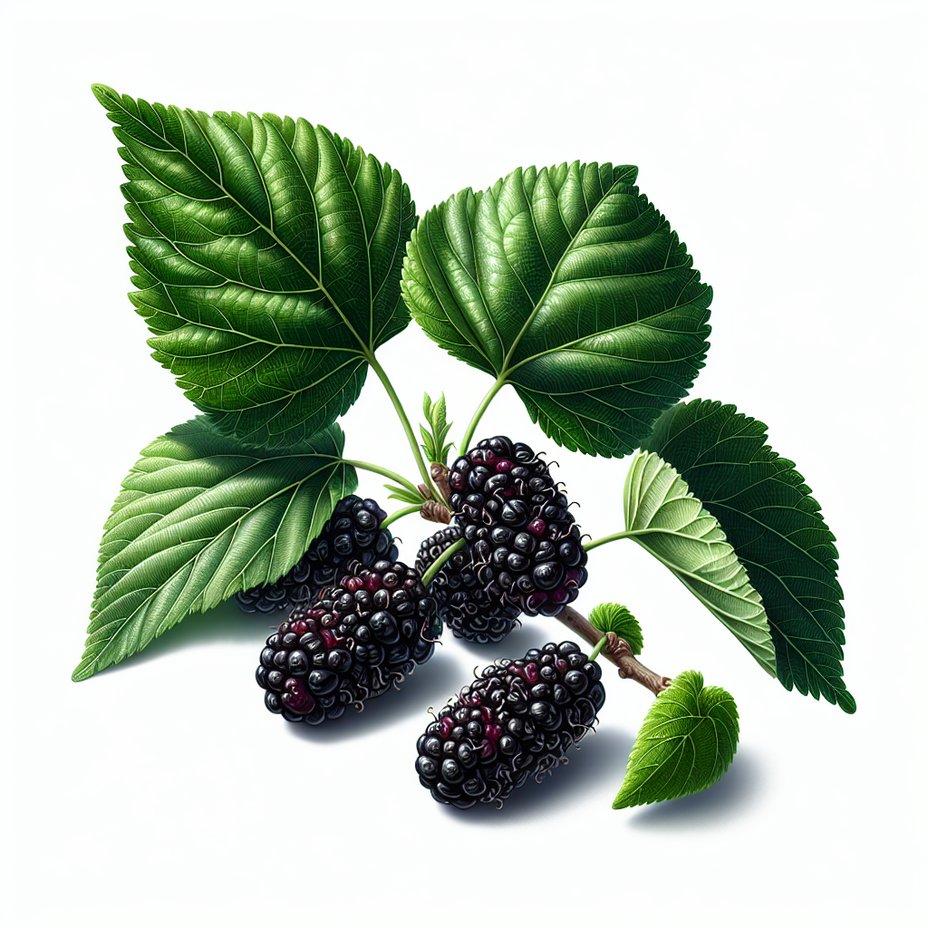
The black mulberry (Morus nigra) is a fruit-bearing tree known for its dark purple, almost black berries. It is native to southwestern Asia but can be found in various regions around the world where it is cultivated or grows wild. While the ripe berries of the black mulberry are generally safe for cats and dogs to eat in small quantities, the unripe berries, along with other parts of the plant like the leaves and bark, can potentially be toxic. They may cause gastrointestinal upset, including vomiting, diarrhea, and stomach pain, if ingested by pets. Always monitor your pets around these plants and consult a veterinarian if you suspect ingestion of unripe berries or other plant parts.

Be honest — you won't remember this article at 2am when your pet eats something.

Skip the Googling next time. Scan BLACK MULBERRY (or anything else) in ToxiPets and get an instant answer personalized to your pet's weight and breed.

Emergency Pet Poison Hotlines

ASPCA Poison Control

(888) 426-4435

*Consultation fee may apply

Pet Poison Helpline

(855) 764-7661

*Consultation fee may apply

Related Information

Dr. Kamala Freeman

Dr. Kamala Freeman

DVMEmergency Veterinarian

Dr. Kamala Freeman is an emergency veterinarian with extensive experience in urgent pet care and toxicity cases. She works at an emergency veterinary hospital treating pets exposed to poisons, toxins, and other life-threatening emergencies.

Stop Googling. Start scanning.

Next time your pet gets into something, skip the articles. Open ToxiPets, scan it, and get a personalized answer in seconds — based on your pet's weight, breed, and health.

Free to download • Used by 50,000+ pet parents

Sources: CHIVELAB