
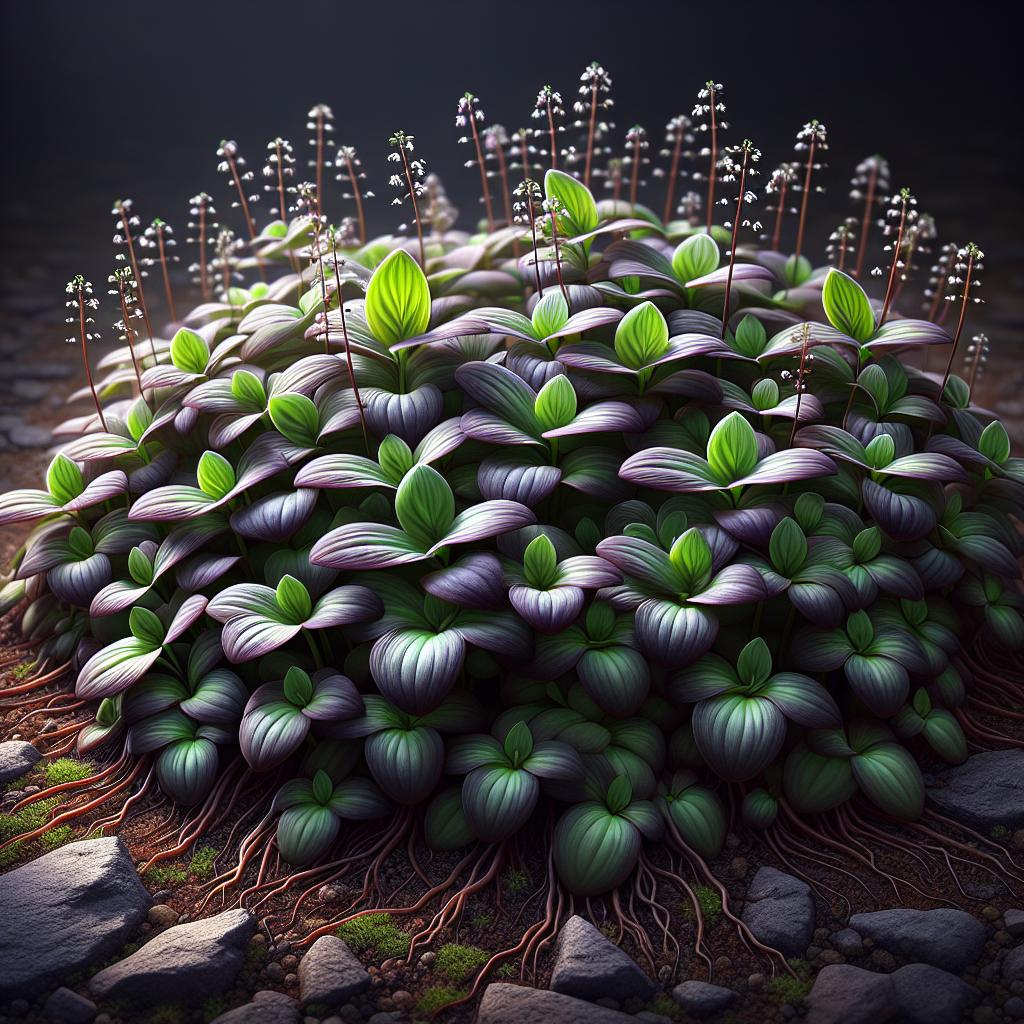
About Tradescantia fluminensis
### Tradescantia fluminensis (Small-Leaf Spiderwort) #### Safety Information for Pets: - **Toxicity**: Tradescantia fluminensis is known to be mildly toxic to pets, including cats and dogs. The sap of the plant can cause skin irritation upon contact and, if ingested, may lead to mild gastrointestinal issues such as vomiting or diarrhea. It is advisable to keep pets away from this plant to avoid any adverse reactions. ### Detailed Information: #### General Description: - **Scientific Name**: Tradescantia fluminensis - **Common Names**: Small-leaf Spiderwort, Wandering Jew, Inch Plant - **Family**: Commelinaceae - **Plant Type**: Herbaceous perennial vine #### Origin and Habitat: - **Native Range**: Tradescantia fluminensis is native to South America, particularly to Brazil and Argentina. - **Habitat**: This plant typically grows in damp, shaded areas like forest floors and along riverbanks. It thrives in warm, humid environments. #### Physical Characteristics: - **Growth Habit**: Tradescantia fluminensis is a trailing or creeping vine that can form dense mats on the ground or climb up structures with its sprawling stems. - **Leaves**: The leaves are small, glossy, and ovate with a smooth margin, typically 2-4 cm long and 1-2 cm wide. They are arranged alternately along the stem and have a dark green color with a purplish tint on the underside. - **Stems**: The stems are thin, succulent, and can root at the nodes when they come into contact with the soil. - **Flowers**: The plant produces small, white, three-petaled flowers that are about 1 cm in diameter. The flowers appear in clusters and bloom sporadically throughout the year, though more profusely in the warmer months. #### Growth Requirements: - **Light**: Tradescantia fluminensis prefers bright, indirect light but can tolerate lower light conditions. Direct sunlight can scorch the leaves. - **Soil**: It grows well in moist, well-draining soil rich in organic matter. It can adapt to a variety of soil types but performs best in fertile soil. - **Watering**: This plant prefers consistently moist soil but should not be waterlogged. Overwatering can lead to root rot, while underwatering can cause the leaves to wilt and dry out. - **Temperature and Humidity**: Tradescantia fluminensis thrives in warm temperatures ranging from 15-25°C (59-77°F) and high humidity. It is sensitive to frost and should be protected from cold drafts. #### Care and Maintenance: - **Pruning**: Regular pruning helps maintain the plant’s shape and encourages bushier growth. Remove any dead or yellowing leaves to keep the plant healthy. - **Propagation**: Tradescantia fluminensis is easily propagated through stem cuttings. Cut a healthy stem segment with a few nodes and place it in water or directly into moist soil. Roots will develop within a few weeks. - **Pests and Diseases**: This plant is relatively pest-resistant but can occasionally be affected by aphids, spider mites, and mealybugs. Maintaining good air circulation and proper watering practices can help prevent fungal issues. #### Environmental Impact: - **Invasiveness**: Tradescantia fluminensis is considered an invasive species in many regions outside its native range. It can outcompete native vegetation and disrupt local ecosystems due to its rapid growth and dense mat-forming habit. In some areas, it is subject to control measures to prevent its spread. ### Summary: Tradescantia fluminensis, or Small-Leaf Spiderwort, is a versatile and attractive vine suitable for indoor and outdoor cultivation. While it offers aesthetic appeal with its glossy leaves and delicate flowers, it poses mild toxicity risks to pets and can be invasive in non-native environments. Proper care, including regular pruning, adequate watering, and mindful placement, will help manage its growth and ensure a healthy, thriving plant.
Be honest — you won't remember this article at 2am when your pet eats something.
Skip the Googling next time. Scan Tradescantia fluminensis (or anything else) in ToxiPets and get an instant answer personalized to your pet's weight and breed.