
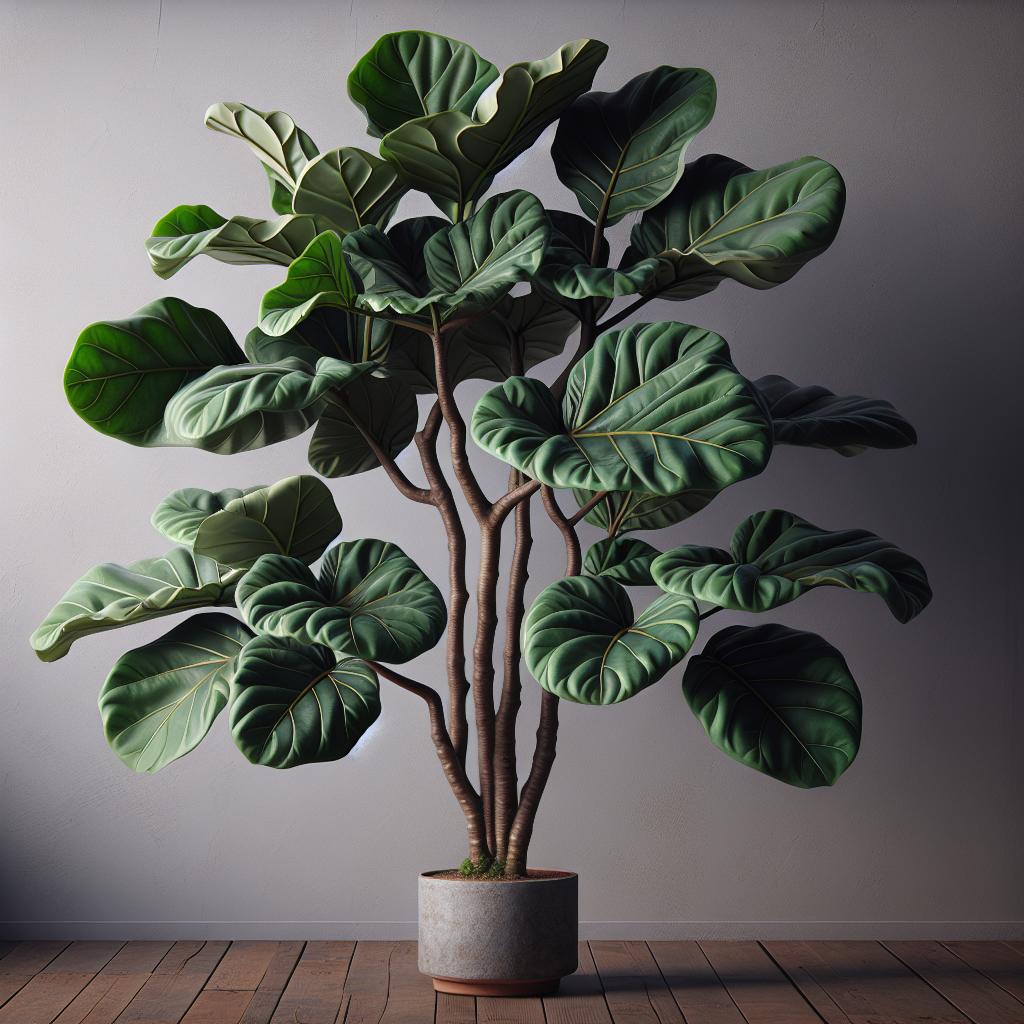
About Ficus lyrata
### Safety Information for Pets **Toxicity**: Ficus lyrata (commonly known as Fiddle-leaf Fig) is toxic to pets, specifically cats and dogs. The plant contains irritating sap that can cause adverse reactions if ingested or if it comes into contact with the skin. **Symptoms**: If a cat or dog ingests parts of the Fiddle-leaf Fig, they may experience symptoms such as: - Oral irritation - Excessive drooling - Vomiting - Difficulty swallowing If your pet exhibits any of these symptoms after coming into contact with or ingesting parts of the plant, it is essential to consult a veterinarian promptly. ### Detailed Plant Information **Scientific Name**: Ficus lyrata **Common Names**: - Lyre-leaf figtree - Fiddle leaf fig - Fiddle-leaf fig - Lyrate-leaf fig - Fiddle-leaf Fig - Fiddleleaf fig - Jaguey lirado - Banjo fig - Fiolfikus - Geigen-Feige - Fiddleleaf Fig - Arbol lira **Family**: Moraceae **Plant Type**: Tree ### Description **Origin**: Ficus lyrata is native to the tropical rainforest regions of western Africa, from Cameroon west to Sierra Leone. **Growth Habit**: - **Height**: In its natural habitat, Fiddle-leaf Fig can grow up to 40-50 feet (12-15 meters) tall. However, as an indoor plant, it typically grows to about 6-10 feet (1.8-3 meters). - **Spread**: It can spread about 2-3 feet indoors, depending on the size of the pot and pruning practices. **Leaves**: - **Shape**: The leaves are large, broad, and violin-shaped (hence the name "Fiddle-leaf"). - **Size**: They can grow up to 18 inches (45 cm) long and 12 inches (30 cm) wide. - **Texture**: The leaves are leathery with prominent veins and a glossy surface. - **Color**: They are deep green with lighter green veins. **Trunk and Branches**: - The trunk is sturdy and can develop a woody texture over time. - Branches tend to grow in a more upright manner but can be pruned to encourage a bushier appearance. **Flowers and Fruits**: - The Fiddle-leaf Fig rarely flowers indoors. In its natural habitat, it produces small, inconspicuous flowers. - The fruit is a small fig that is not commonly seen in indoor plants. ### Care Requirements **Light**: Fiddle-leaf Fig requires bright, indirect light. It can tolerate some direct sunlight, but too much can burn the leaves. Lack of light can cause the leaves to drop. **Water**: Water the plant when the top inch (2.5 cm) of soil feels dry. Overwatering can lead to root rot, while underwatering can cause the leaves to dry out and fall off. Ensure the pot has good drainage. **Humidity**: This plant prefers high humidity levels. If the air is too dry, the edges of the leaves may turn brown. Consider using a humidifier or placing a tray of water near the plant to increase humidity. **Temperature**: Fiddle-leaf Fig thrives in temperatures between 60-75°F (16-24°C). Avoid placing it in drafty areas or near air conditioning vents. **Soil**: Use a well-draining potting mix. A mix designed for houseplants or one specifically for ficus plants is ideal. **Fertilization**: Feed the plant with a balanced liquid fertilizer every month during the growing season (spring and summer). Reduce feeding during the fall and winter months. **Pruning**: Prune the plant to maintain its shape and remove any dead or damaged leaves. Regular pruning can also encourage a bushier growth habit. **Repotting**: Repot the plant every 1-2 years, or when it outgrows its current pot. Choose a pot that is one size larger than the current one. ### Pests and Problems **Common Pests**: - Spider mites - Mealybugs - Scale insects **Problems**: - **Leaf drop**: Often caused by overwatering, underwatering, or sudden changes in temperature or light. - **Brown spots**: Can be a result of fungal infections, overwatering, or dry air. - **Yellowing leaves**: Typically a sign of overwatering or poor drainage. ### Propagation **Method**: Fiddle-leaf Fig can be propagated through stem cuttings. - Take a cutting of about 6-8 inches (15-20 cm) with at least
Be honest — you won't remember this article at 2am when your pet eats something.
Skip the Googling next time. Scan Ficus lyrata (or anything else) in ToxiPets and get an instant answer personalized to your pet's weight and breed.