
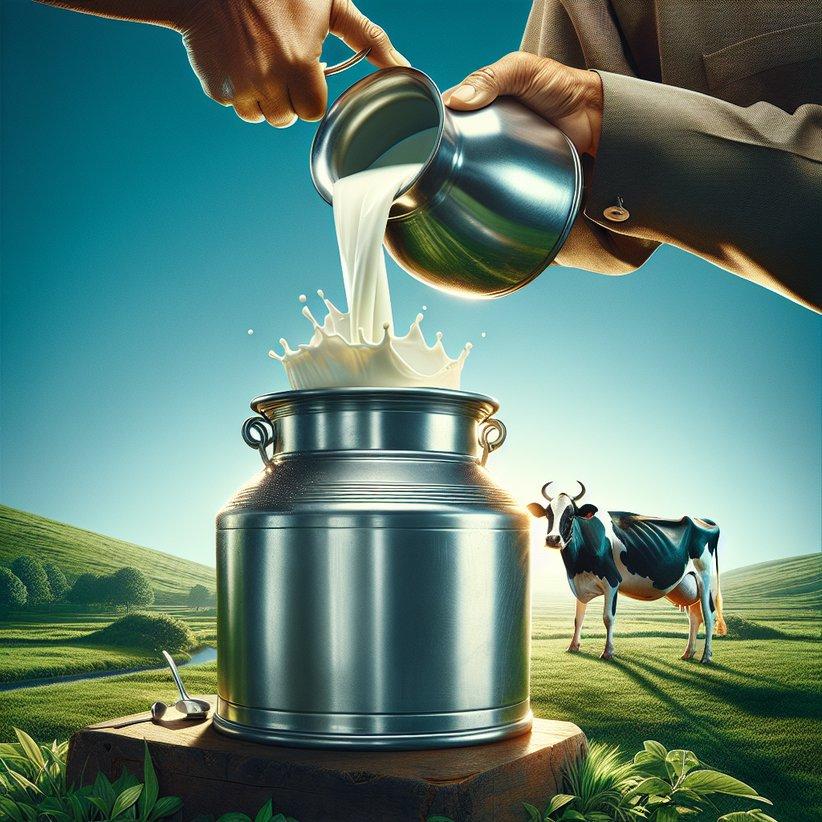
Is ACHHAM COW MILK Toxic to Dogs and Cats?
ACHHAM COW MILK may be harmful to pets in certain amounts. "Achham Cow Milk" likely refers to milk sourced from cows raised in the Achham district, which is a region located in the Sudurpashchim Province of Nepal. This region is known for its rural and agricultural lifestyle, and dairy production is a significant part of the local economy. ### Uses in Pet Products like Treats Cow milk can be used in various pet products, including treats, but it's essential to understand its effects on pets, specifically cats and dogs, before incorporating it into their diet. ### Applications 1. **Dog Treats**: Cow milk can be used as an ingredient in various dog treats and snacks. It can be included in baked goods, frozen treats, and even as a flavor enhancer in certain products. 2. **Cat Treats**: Although less common because cats are often lactose intolerant, some specially formulated cat treats might contain milk derivatives or lactose-free milk products. ### Benefits 1. **Nutritional Content**: Cow milk is rich in essential nutrients like calcium, protein, and vitamins (e.g., Vitamin D, Vitamin B12), which can be beneficial for growing puppies and adult dogs in moderation. 2. **Palatability**: Some pets may find milk-flavored treats particularly delicious, which can be useful for training or encouraging specific behaviors. ### Toxicity and Risks 1. **Lactose Intolerance**: - **Cats**: Many adult cats are lactose intolerant. Consumption of regular cow milk can lead to gastrointestinal upset, including diarrhea, vomiting, and abdominal pain. - **Dogs**: Dogs can also be lactose intolerant, though it varies by individual. Symptoms can include bloating, gas, diarrhea, and stomach discomfort. 2. **Fat Content**: Milk contains fats that, if consumed in excess, can contribute to obesity and related health issues in both cats and dogs. 3. **Allergies**: Some pets might have specific allergies to dairy products, leading to allergic reactions such as itching, redness, and gastrointestinal issues. ### Safe Usage Recommendations 1. **Lactose-Free Options**: Choose lactose-free milk or specially formulated pet-specific dairy products to avoid gastrointestinal issues. 2. **Moderation**: Use milk-based treats sparingly to prevent digestive upset and to maintain a balanced diet. 3. **Consulting a Veterinarian**: Always consult your veterinarian before introducing new foods or treats, especially those containing dairy, to ensure they are safe for your particular pet. ### Conclusion Achham Cow Milk, like other cow milk products, can be used in pet treats with caution. Due to the high incidence of lactose intolerance in cats and many dogs, opting for lactose-free milk products or consulting with a veterinarian is advisable to prevent adverse reactions. Understanding the specific needs and tolerances of your pet will help in providing them with safe and enjoyable treats.
Caution - Use Care
Generally safe in small amounts, but harmful in excess. Monitor your pet and consult your vet if concerned.
"Achham Cow Milk" likely refers to milk sourced from cows raised in the Achham district, which is a region located in the Sudurpashchim Province of Nepal. This region is known for its rural and agricultural lifestyle, and dairy production is a significant part of the local economy. ### Uses in Pet Products like Treats Cow milk can be used in various pet products, including treats, but it's essential to understand its effects on pets, specifically cats and dogs, before incorporating it into their diet. ### Applications 1. **Dog Treats**: Cow milk can be used as an ingredient in various dog treats and snacks. It can be included in baked goods, frozen treats, and even as a flavor enhancer in certain products. 2. **Cat Treats**: Although less common because cats are often lactose intolerant, some specially formulated cat treats might contain milk derivatives or lactose-free milk products. ### Benefits 1. **Nutritional Content**: Cow milk is rich in essential nutrients like calcium, protein, and vitamins (e.g., Vitamin D, Vitamin B12), which can be beneficial for growing puppies and adult dogs in moderation. 2. **Palatability**: Some pets may find milk-flavored treats particularly delicious, which can be useful for training or encouraging specific behaviors. ### Toxicity and Risks 1. **Lactose Intolerance**: - **Cats**: Many adult cats are lactose intolerant. Consumption of regular cow milk can lead to gastrointestinal upset, including diarrhea, vomiting, and abdominal pain. - **Dogs**: Dogs can also be lactose intolerant, though it varies by individual. Symptoms can include bloating, gas, diarrhea, and stomach discomfort. 2. **Fat Content**: Milk contains fats that, if consumed in excess, can contribute to obesity and related health issues in both cats and dogs. 3. **Allergies**: Some pets might have specific allergies to dairy products, leading to allergic reactions such as itching, redness, and gastrointestinal issues. ### Safe Usage Recommendations 1. **Lactose-Free Options**: Choose lactose-free milk or specially formulated pet-specific dairy products to avoid gastrointestinal issues. 2. **Moderation**: Use milk-based treats sparingly to prevent digestive upset and to maintain a balanced diet. 3. **Consulting a Veterinarian**: Always consult your veterinarian before introducing new foods or treats, especially those containing dairy, to ensure they are safe for your particular pet. ### Conclusion Achham Cow Milk, like other cow milk products, can be used in pet treats with caution. Due to the high incidence of lactose intolerance in cats and many dogs, opting for lactose-free milk products or consulting with a veterinarian is advisable to prevent adverse reactions. Understanding the specific needs and tolerances of your pet will help in providing them with safe and enjoyable treats.
Worried about your pet?
Get personalized guidance for ACHHAM COW MILK exposure based on your pet's weight and breed.
What To Do If Your Pet Ate ACHHAM COW MILK
Stay calm and remove your pet from the source
Contact your veterinarian immediately
Call ASPCA Poison Control: (888) 426-4435
Be honest — you won't remember this article at 2am when your pet eats something.
Skip the Googling next time. Scan ACHHAM COW MILK (or anything else) in ToxiPets and get an instant answer personalized to your pet's weight and breed.
Sources: CHIVELAB
Stop Googling. Start scanning.
Next time your pet gets into something, skip the articles. Open ToxiPets, scan it, and get a personalized answer in seconds — based on your pet's weight, breed, and health.
Free to download • Used by 50,000+ pet parents