
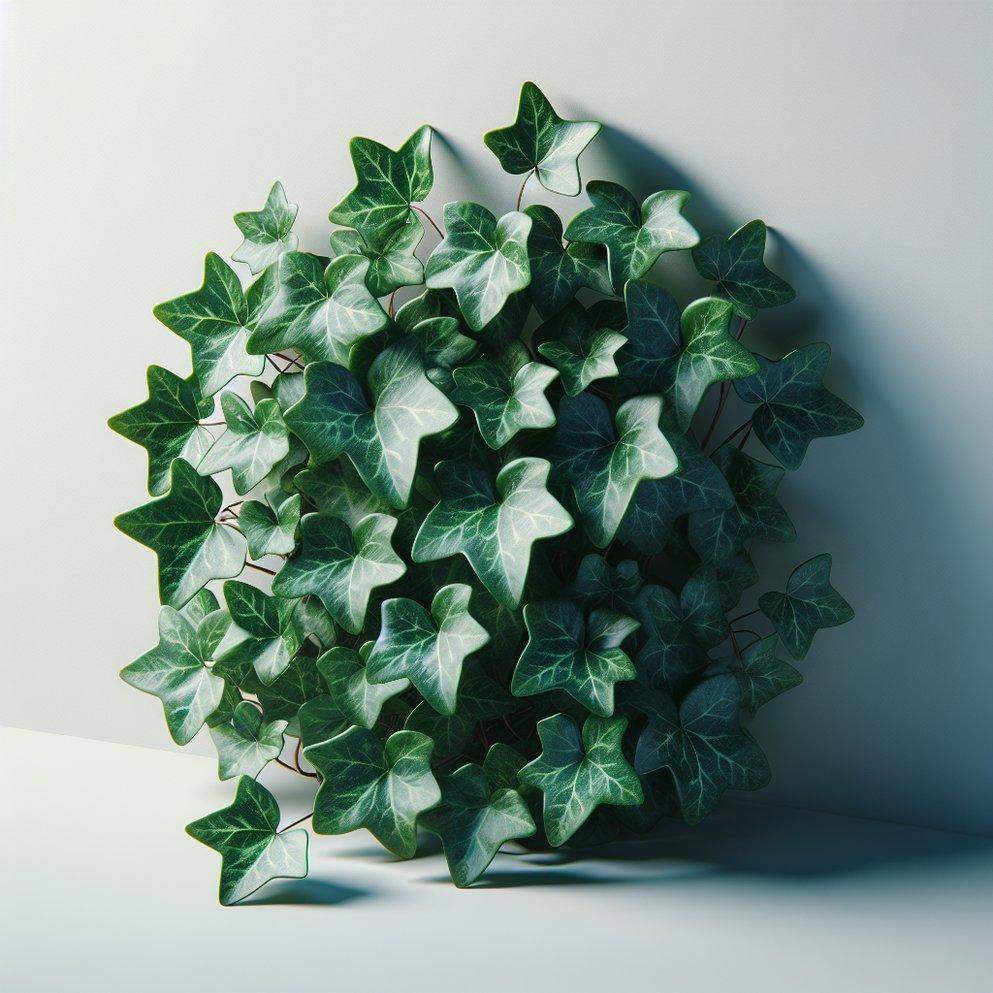
Is Hedera helix Toxic to Dogs and Cats?
Yes, Hedera helix is toxic to pets. ### **Hedera helix (English Ivy) Detailed Information** #### **Safety Information for Pets** - **Toxicity**: Hedera helix is toxic to both cats and dogs. The plant contains saponins, which can cause vomiting, abdominal pain, hypersalivation, and diarrhea if ingested. In severe cases, it can lead to more serious symptoms such as difficulty breathing, muscle weakness, and coordination problems. Always keep this plant out of reach of pets to ensure their safety. #### **General Description** - **Scientific Name**: Hedera helix - **Common Names**: Efeu, English Ivy, Lierre, English ivy, Almindelig vedbend, Edera, English ivy, Common ivy, European ivy, Ivy, Needlepoint ivy, Ripple ivy, Ivy, Gewöhnlicher Efeu - **Family**: Araliaceae - **Plant Type**: Vine #### **Habitat and Distribution** - **Native Range**: Hedera helix is native to Europe and Western Asia. - **Habitat**: It commonly grows in forests, woodlands, and along cliffs. It is highly adaptable and can also thrive in urban environments, often seen covering walls, fences, and tree trunks. #### **Growth and Cultivation** - **Growth Habit**: English Ivy is a climbing or creeping vine, capable of growing up to 30 meters (98 feet) in length. It uses aerial rootlets to attach itself to surfaces. - **Leaves**: The leaves are evergreen, with a glossy dark green appearance. They are typically lobed with 3 to 5 lobes, although the shape can vary. - **Flowers**: The plant produces small, yellow-green flowers in late summer to early fall. The flowers are not particularly showy and are often overlooked. - **Fruit**: After flowering, it produces small, black or dark purple berries which are toxic to humans and pets. #### **Care and Maintenance** - **Light Requirements**: Hedera helix thrives in partial to full shade but can tolerate some sun. Too much direct sunlight can scorch the leaves. - **Soil**: It prefers well-drained, fertile soil but is quite adaptable to different soil types. - **Watering**: Regular watering is needed, especially during dry periods. However, the plant is relatively drought-tolerant once established. - **Pruning**: Pruning is necessary to control its vigorous growth and to prevent it from becoming invasive. #### **Uses** - **Ornamental**: Commonly used as ground cover, for covering walls, and in hanging baskets due to its attractive foliage and climbing abilities. - **Erosion Control**: Its dense growth habit makes it effective for stabilizing soil and preventing erosion. - **Wildlife**: Provides habitat and food for various insects and birds, although the berries are toxic to humans and pets. #### **Potential Problems** - **Invasiveness**: Hedera helix is considered invasive in many regions outside its native range. It can outcompete native vegetation and damage structures and trees. - **Pests and Diseases**: It can be susceptible to pests such as spider mites, aphids, and scale insects. Diseases like bacterial leaf spot, stem rot, and anthracnose can also affect the plant. #### **Propagation** - **Methods**: It can be propagated through stem cuttings, layering, or by division. - **Best Time for Propagation**: The best time to take cuttings is in the spring or early summer. ### **Conclusion** Hedera helix, or English Ivy, is a versatile and attractive plant known for its climbing and ground-covering abilities. While it has many beneficial uses, it is important to consider its invasive potential and toxicity to pets. Proper care and maintenance can help manage its growth and keep it a beautiful addition to gardens and landscapes.
Toxic - Danger
This can be dangerous at any amount. Contact your veterinarian or poison control immediately if your pet is exposed.
### **Hedera helix (English Ivy) Detailed Information** #### **Safety Information for Pets** - **Toxicity**: Hedera helix is toxic to both cats and dogs. The plant contains saponins, which can cause vomiting, abdominal pain, hypersalivation, and diarrhea if ingested. In severe cases, it can lead to more serious symptoms such as difficulty breathing, muscle weakness, and coordination problems. Always keep this plant out of reach of pets to ensure their safety. #### **General Description** - **Scientific Name**: Hedera helix - **Common Names**: Efeu, English Ivy, Lierre, English ivy, Almindelig vedbend, Edera, English ivy, Common ivy, European ivy, Ivy, Needlepoint ivy, Ripple ivy, Ivy, Gewöhnlicher Efeu - **Family**: Araliaceae - **Plant Type**: Vine #### **Habitat and Distribution** - **Native Range**: Hedera helix is native to Europe and Western Asia. - **Habitat**: It commonly grows in forests, woodlands, and along cliffs. It is highly adaptable and can also thrive in urban environments, often seen covering walls, fences, and tree trunks. #### **Growth and Cultivation** - **Growth Habit**: English Ivy is a climbing or creeping vine, capable of growing up to 30 meters (98 feet) in length. It uses aerial rootlets to attach itself to surfaces. - **Leaves**: The leaves are evergreen, with a glossy dark green appearance. They are typically lobed with 3 to 5 lobes, although the shape can vary. - **Flowers**: The plant produces small, yellow-green flowers in late summer to early fall. The flowers are not particularly showy and are often overlooked. - **Fruit**: After flowering, it produces small, black or dark purple berries which are toxic to humans and pets. #### **Care and Maintenance** - **Light Requirements**: Hedera helix thrives in partial to full shade but can tolerate some sun. Too much direct sunlight can scorch the leaves. - **Soil**: It prefers well-drained, fertile soil but is quite adaptable to different soil types. - **Watering**: Regular watering is needed, especially during dry periods. However, the plant is relatively drought-tolerant once established. - **Pruning**: Pruning is necessary to control its vigorous growth and to prevent it from becoming invasive. #### **Uses** - **Ornamental**: Commonly used as ground cover, for covering walls, and in hanging baskets due to its attractive foliage and climbing abilities. - **Erosion Control**: Its dense growth habit makes it effective for stabilizing soil and preventing erosion. - **Wildlife**: Provides habitat and food for various insects and birds, although the berries are toxic to humans and pets. #### **Potential Problems** - **Invasiveness**: Hedera helix is considered invasive in many regions outside its native range. It can outcompete native vegetation and damage structures and trees. - **Pests and Diseases**: It can be susceptible to pests such as spider mites, aphids, and scale insects. Diseases like bacterial leaf spot, stem rot, and anthracnose can also affect the plant. #### **Propagation** - **Methods**: It can be propagated through stem cuttings, layering, or by division. - **Best Time for Propagation**: The best time to take cuttings is in the spring or early summer. ### **Conclusion** Hedera helix, or English Ivy, is a versatile and attractive plant known for its climbing and ground-covering abilities. While it has many beneficial uses, it is important to consider its invasive potential and toxicity to pets. Proper care and maintenance can help manage its growth and keep it a beautiful addition to gardens and landscapes.
Worried about your pet?
Get personalized guidance for Hedera helix exposure based on your pet's weight and breed.
What To Do If Your Pet Ate Hedera helix
Stay calm and remove your pet from the source
Contact your veterinarian immediately
Call ASPCA Poison Control: (888) 426-4435
Be honest — you won't remember this article at 2am when your pet eats something.
Skip the Googling next time. Scan Hedera helix (or anything else) in ToxiPets and get an instant answer personalized to your pet's weight and breed.
Stop Googling. Start scanning.
Next time your pet gets into something, skip the articles. Open ToxiPets, scan it, and get a personalized answer in seconds — based on your pet's weight, breed, and health.
Free to download • Used by 50,000+ pet parents