
Is Guzmania lingulata Toxic to Dogs and Cats?
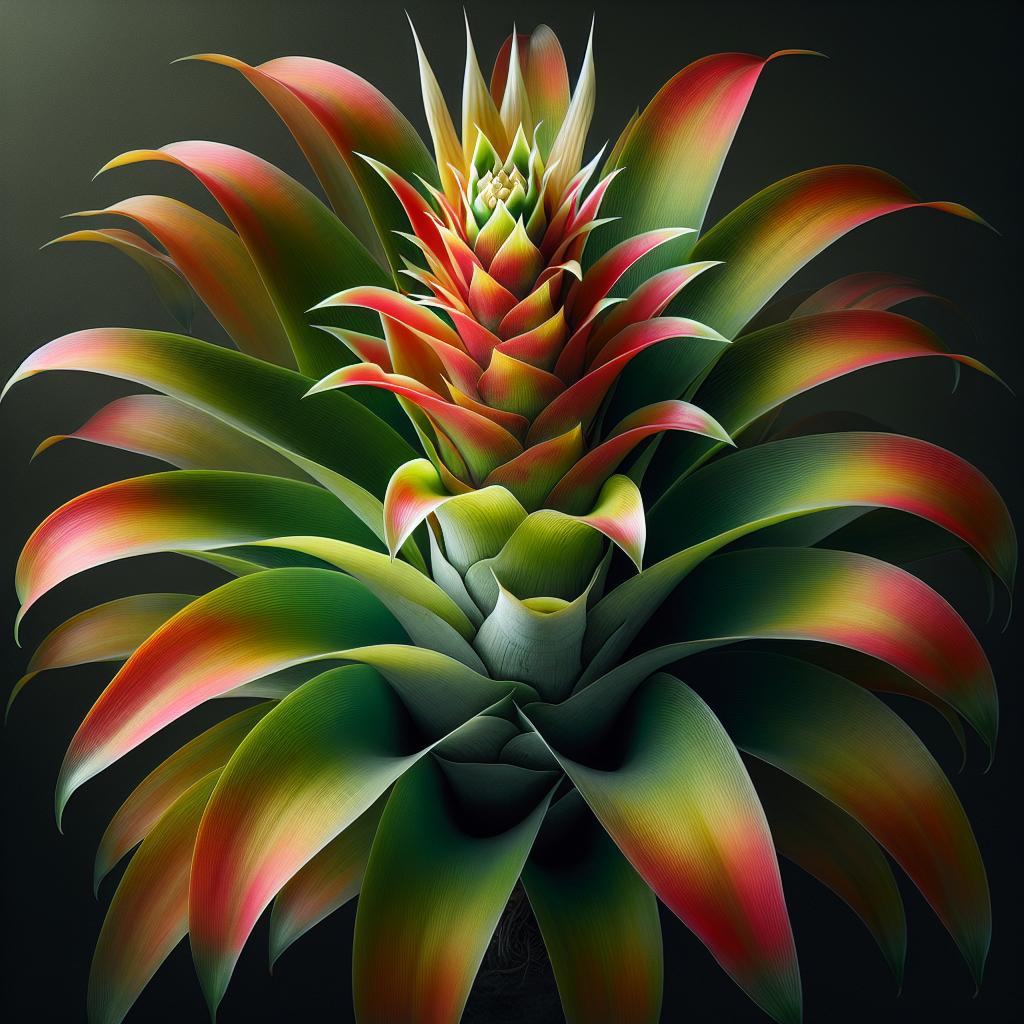
No, Guzmania lingulata is generally safe for pets. ### Guzmania lingulata: Detailed Plant Information #### Safety Information for Pets - **Toxicity**: Guzmania lingulata is considered non-toxic to pets, including cats and dogs. This makes it a safe choice for households with pets. - **Precaution**: Although non-toxic, it is always advisable to monitor pets to ensure they do not excessively chew on or ingest plant parts, as this could lead to digestive irritation. #### General Information - **Scientific Name**: Guzmania lingulata - **Common Names**: Guzmania lenguada, röd juvelblomma, droophead tufted airplant, Droophead Tufted Airplant, Zannana bwa, Zannana mawon - **Family**: Bromeliaceae - **Plant Type**: Flowering plant #### Description - **Appearance**: Guzmania lingulata is known for its striking, brightly colored bracts that can be red, orange, yellow, or pink. These bracts surround the small, less conspicuous true flowers, which are usually white or yellow. - **Leaves**: The plant features long, narrow, arching leaves that form a rosette. The leaves are typically green and may have a glossy surface. - **Size**: It usually grows to a height of about 12-18 inches (30-45 cm) and a spread of 12-24 inches (30-60 cm). #### Care Requirements - **Light**: Prefers bright, indirect light. Direct sunlight can scorch the leaves, whereas too little light may inhibit blooming. - **Watering**: Water should be poured into the central 'cup' formed by the leaves. The soil should be kept moist but not soggy. It is important to use distilled or rainwater if possible, as Guzmania lingulata is sensitive to chemicals found in tap water. - **Humidity**: Thrives in high humidity environments. Regular misting can help maintain the necessary humidity levels, especially in drier indoor conditions. - **Temperature**: Prefers warm temperatures, ideally between 60-80°F (15-27°C). It should be protected from cold drafts and temperatures below 50°F (10°C). - **Soil**: A well-draining bromeliad or orchid mix is ideal. The plant does not need traditional soil, as it can also grow as an epiphyte (on other plants or objects). - **Fertilization**: A diluted, balanced liquid fertilizer can be applied during the growing season (spring and summer). Fertilize sparingly, as over-fertilization can harm the plant. #### Propagation - **Offsets**: Guzmania lingulata produces offsets, or "pups," at the base of the plant. These can be separated and replanted once they are about one-third the size of the mother plant. - **Seeds**: Propagation from seeds is possible but less common and requires more specific conditions for germination and growth. #### Notes - **Blooming**: The plant typically blooms once in its lifetime. After blooming, the mother plant will eventually die, but it usually produces offsets before it dies. - **Maintenance**: Regularly remove dead leaves and spent flowers to encourage healthy growth and appearance. Guzmania lingulata is a visually striking and relatively low-maintenance plant, making it a popular choice for indoor gardening and tropical-themed landscapes. Its non-toxic nature also makes it a pet-friendly option for plant enthusiasts.
Safe
### Guzmania lingulata: Detailed Plant Information #### Safety Information for Pets - **Toxicity**: Guzmania lingulata is considered non-toxic to pets, including cats and dogs. This makes it a safe choice for households with pets. - **Precaution**: Although non-toxic, it is always advisable to monitor pets to ensure they do not excessively chew on or ingest plant parts, as this could lead to digestive irritation. #### General Information - **Scientific Name**: Guzmania lingulata - **Common Names**: Guzmania lenguada, röd juvelblomma, droophead tufted airplant, Droophead Tufted Airplant, Zannana bwa, Zannana mawon - **Family**: Bromeliaceae - **Plant Type**: Flowering plant #### Description - **Appearance**: Guzmania lingulata is known for its striking, brightly colored bracts that can be red, orange, yellow, or pink. These bracts surround the small, less conspicuous true flowers, which are usually white or yellow. - **Leaves**: The plant features long, narrow, arching leaves that form a rosette. The leaves are typically green and may have a glossy surface. - **Size**: It usually grows to a height of about 12-18 inches (30-45 cm) and a spread of 12-24 inches (30-60 cm). #### Care Requirements - **Light**: Prefers bright, indirect light. Direct sunlight can scorch the leaves, whereas too little light may inhibit blooming. - **Watering**: Water should be poured into the central 'cup' formed by the leaves. The soil should be kept moist but not soggy. It is important to use distilled or rainwater if possible, as Guzmania lingulata is sensitive to chemicals found in tap water. - **Humidity**: Thrives in high humidity environments. Regular misting can help maintain the necessary humidity levels, especially in drier indoor conditions. - **Temperature**: Prefers warm temperatures, ideally between 60-80°F (15-27°C). It should be protected from cold drafts and temperatures below 50°F (10°C). - **Soil**: A well-draining bromeliad or orchid mix is ideal. The plant does not need traditional soil, as it can also grow as an epiphyte (on other plants or objects). - **Fertilization**: A diluted, balanced liquid fertilizer can be applied during the growing season (spring and summer). Fertilize sparingly, as over-fertilization can harm the plant. #### Propagation - **Offsets**: Guzmania lingulata produces offsets, or "pups," at the base of the plant. These can be separated and replanted once they are about one-third the size of the mother plant. - **Seeds**: Propagation from seeds is possible but less common and requires more specific conditions for germination and growth. #### Notes - **Blooming**: The plant typically blooms once in its lifetime. After blooming, the mother plant will eventually die, but it usually produces offsets before it dies. - **Maintenance**: Regularly remove dead leaves and spent flowers to encourage healthy growth and appearance. Guzmania lingulata is a visually striking and relatively low-maintenance plant, making it a popular choice for indoor gardening and tropical-themed landscapes. Its non-toxic nature also makes it a pet-friendly option for plant enthusiasts.
Worried about your pet?
Get personalized guidance for Guzmania lingulata exposure based on your pet's weight and breed.
What To Do If Your Pet Ate Guzmania lingulata
Stay calm and remove your pet from the source
Contact your veterinarian immediately
Call ASPCA Poison Control: (888) 426-4435
Be honest — you won't remember this article at 2am when your pet eats something.
Skip the Googling next time. Scan Guzmania lingulata (or anything else) in ToxiPets and get an instant answer personalized to your pet's weight and breed.
Stop Googling. Start scanning.
Next time your pet gets into something, skip the articles. Open ToxiPets, scan it, and get a personalized answer in seconds — based on your pet's weight, breed, and health.
Free to download • Used by 50,000+ pet parents