
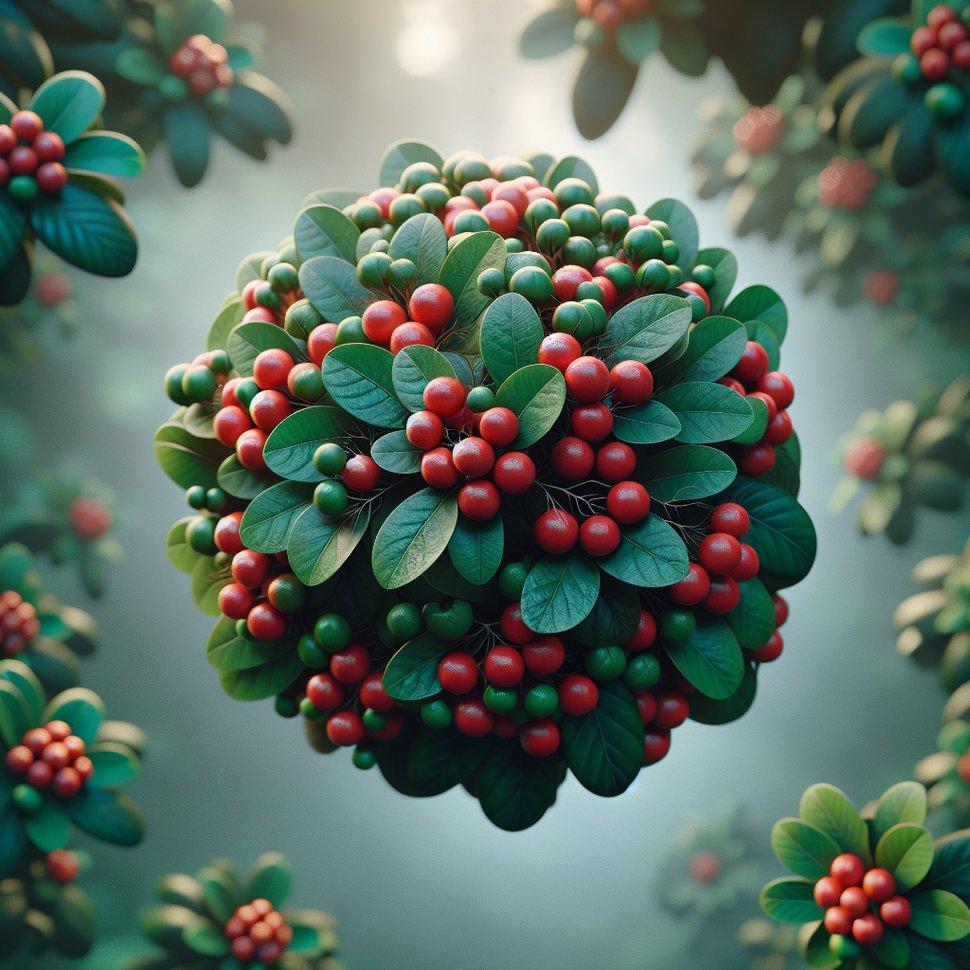
Is BIGNAY Toxic to Dogs and Cats?
BIGNAY may be harmful to pets in certain amounts. Bignay (Antidesma bunius) is a fruit-bearing tree native to Southeast Asia and parts of Australia. The small, red-to-black berries it produces are known for their tart flavor and are occasionally used in jams, wines, and other food products. When it comes to pets, bignay is generally regarded as non-toxic to cats and dogs. However, as with any unfamiliar food, it's advisable to introduce it cautiously and observe for any adverse reactions. Always consult a veterinarian before adding any new foods to your pet's diet.
Caution - Use Care
Generally safe in small amounts, but harmful in excess. Monitor your pet and consult your vet if concerned.
Bignay (Antidesma bunius) is a fruit-bearing tree native to Southeast Asia and parts of Australia. The small, red-to-black berries it produces are known for their tart flavor and are occasionally used in jams, wines, and other food products. When it comes to pets, bignay is generally regarded as non-toxic to cats and dogs. However, as with any unfamiliar food, it's advisable to introduce it cautiously and observe for any adverse reactions. Always consult a veterinarian before adding any new foods to your pet's diet.
Worried about your pet?
Get personalized guidance for BIGNAY exposure based on your pet's weight and breed.
What To Do If Your Pet Ate BIGNAY
Stay calm and remove your pet from the source
Contact your veterinarian immediately
Call ASPCA Poison Control: (888) 426-4435
Be honest — you won't remember this article at 2am when your pet eats something.
Skip the Googling next time. Scan BIGNAY (or anything else) in ToxiPets and get an instant answer personalized to your pet's weight and breed.
Sources: CHIVELAB
Stop Googling. Start scanning.
Next time your pet gets into something, skip the articles. Open ToxiPets, scan it, and get a personalized answer in seconds — based on your pet's weight, breed, and health.
Free to download • Used by 50,000+ pet parents