
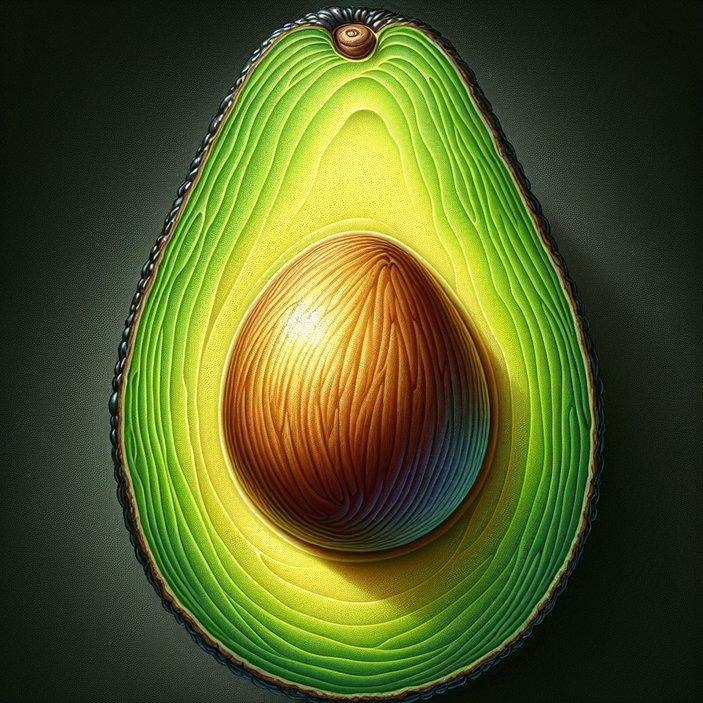
Is AVOCADO Toxic to Dogs and Cats?
Yes, AVOCADO is toxic to pets. ### Avocado Overview **Scientific Name:** Persea americana **Common Names:** Alligator pear, butter pear Avocado is a fruit that originates from Central Mexico and is highly valued for its rich, creamy texture and numerous health benefits. It is used in various culinary applications and has found its way into some pet products as well. However, its use in pet foods must be approached with caution due to certain potential toxicities. ### Nutritional Composition Avocados are high in vitamins such as Vitamin E, Vitamin K, Vitamin C, and several B vitamins. They are also a good source of healthy fats, particularly monounsaturated fats, and have significant fiber content. ### Uses in Pet Products 1. **Food:** - **Cat Food:** Generally, avocados are not included in commercial cat foods due to the higher risk of toxicity. - **Dog Food:** Some specialized dog foods may include avocado or avocado oil due to the beneficial nutrients they provide, like omega fatty acids. 2. **Treats:** - Thus far, avocado-based treats are more commonly formulated for dogs than for cats. These treats often use small amounts of avocado or its oil to deliver health benefits without causing harm. ### Applications and Benefits 1. **Healthy Skin and Coat:** - Avocado oil is rich in Vitamin E and healthy fats, which can improve the quality of a pet's skin and coat. 2. **Nutrient Boost:** - Nutrients like potassium and folate present in avocados can support overall pet health. 3. **Anti-Inflammatory Properties:** - The monounsaturated fats in avocados can help reduce inflammation. ### Toxicity Concerns While avocados can offer several health benefits, they also contain **persin**, a fungicidal toxin that is particularly harmful to certain animals. **Cats:** - **Toxicity:** Cats are more susceptible to avocado toxicity compared to dogs. Symptoms of avocado toxicity in cats may include vomiting, diarrhea, and in severe cases, pancreatitis or more serious complications. **Dogs:** - **Moderate Toxicity:** Dogs are less sensitive to persin than cats, but they can still suffer from adverse effects if they consume large quantities. Symptoms might include gastrointestinal upset, vomiting, and diarrhea. - **Generally Safe Parts:** The fleshy part of the avocado fruit contains lower levels of persin and can be relatively safe for dogs in small, controlled quantities. The skin, pit, and leaves, on the other hand, contain higher levels of persin and should be avoided. ### Summary While avocados offer numerous health benefits due to their rich nutrient profile, their application in pet foods and treats needs careful consideration: - **For Cats:** Generally best avoided due to higher toxicity risk. - **For Dogs:** Can be included in small amounts in certain formulations, particularly focusing on avocado oil or properly processed flesh while avoiding the skin, pit, and leaves. Consultation with a veterinarian is recommended before introducing avocado-based products into your pet's diet to ensure their safety and well-being.
Toxic - Danger
This can be dangerous at any amount. Contact your veterinarian or poison control immediately if your pet is exposed.
### Avocado Overview **Scientific Name:** Persea americana **Common Names:** Alligator pear, butter pear Avocado is a fruit that originates from Central Mexico and is highly valued for its rich, creamy texture and numerous health benefits. It is used in various culinary applications and has found its way into some pet products as well. However, its use in pet foods must be approached with caution due to certain potential toxicities. ### Nutritional Composition Avocados are high in vitamins such as Vitamin E, Vitamin K, Vitamin C, and several B vitamins. They are also a good source of healthy fats, particularly monounsaturated fats, and have significant fiber content. ### Uses in Pet Products 1. **Food:** - **Cat Food:** Generally, avocados are not included in commercial cat foods due to the higher risk of toxicity. - **Dog Food:** Some specialized dog foods may include avocado or avocado oil due to the beneficial nutrients they provide, like omega fatty acids. 2. **Treats:** - Thus far, avocado-based treats are more commonly formulated for dogs than for cats. These treats often use small amounts of avocado or its oil to deliver health benefits without causing harm. ### Applications and Benefits 1. **Healthy Skin and Coat:** - Avocado oil is rich in Vitamin E and healthy fats, which can improve the quality of a pet's skin and coat. 2. **Nutrient Boost:** - Nutrients like potassium and folate present in avocados can support overall pet health. 3. **Anti-Inflammatory Properties:** - The monounsaturated fats in avocados can help reduce inflammation. ### Toxicity Concerns While avocados can offer several health benefits, they also contain **persin**, a fungicidal toxin that is particularly harmful to certain animals. **Cats:** - **Toxicity:** Cats are more susceptible to avocado toxicity compared to dogs. Symptoms of avocado toxicity in cats may include vomiting, diarrhea, and in severe cases, pancreatitis or more serious complications. **Dogs:** - **Moderate Toxicity:** Dogs are less sensitive to persin than cats, but they can still suffer from adverse effects if they consume large quantities. Symptoms might include gastrointestinal upset, vomiting, and diarrhea. - **Generally Safe Parts:** The fleshy part of the avocado fruit contains lower levels of persin and can be relatively safe for dogs in small, controlled quantities. The skin, pit, and leaves, on the other hand, contain higher levels of persin and should be avoided. ### Summary While avocados offer numerous health benefits due to their rich nutrient profile, their application in pet foods and treats needs careful consideration: - **For Cats:** Generally best avoided due to higher toxicity risk. - **For Dogs:** Can be included in small amounts in certain formulations, particularly focusing on avocado oil or properly processed flesh while avoiding the skin, pit, and leaves. Consultation with a veterinarian is recommended before introducing avocado-based products into your pet's diet to ensure their safety and well-being.
Worried about your pet?
Get personalized guidance for AVOCADO exposure based on your pet's weight and breed.
What To Do If Your Pet Ate AVOCADO
Stay calm and remove your pet from the source
Contact your veterinarian immediately
Call ASPCA Poison Control: (888) 426-4435
Be honest — you won't remember this article at 2am when your pet eats something.
Skip the Googling next time. Scan AVOCADO (or anything else) in ToxiPets and get an instant answer personalized to your pet's weight and breed.
Sources: CHIVELAB
Stop Googling. Start scanning.
Next time your pet gets into something, skip the articles. Open ToxiPets, scan it, and get a personalized answer in seconds — based on your pet's weight, breed, and health.
Free to download • Used by 50,000+ pet parents