
Is Household Pressurized Space Spray Toxic to Dogs and Cats?
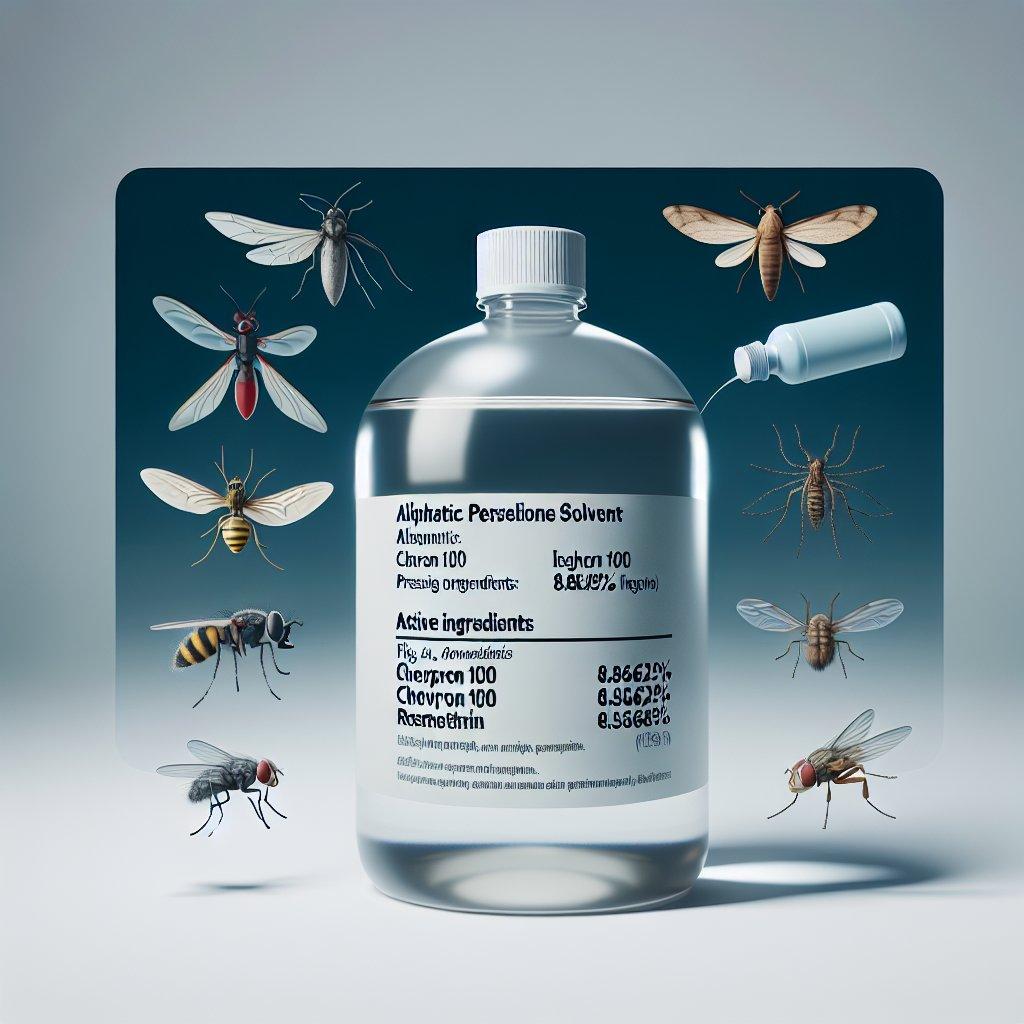
Yes, Household Pressurized Space Spray is toxic to pets. Household Pressurized Space Spray is a pesticide product designed to control various household pests, although specific target pests are not listed (N/A). The product is manufactured by an unspecified company (N/A) and is in an unspecified form (possibly aerosol or spray, as inferred from the name). Here is a summary of the active ingredients and their concentrations: - Aliphatic petroleum solvent (CAS No. 64742-89-8) - 16.525% - Isobornyl thiocyanoacetate (CAS No. 115-31-1) - 0.82% - Malathion (CAS No. 121-75-5) - 1% - Piperonyl butoxide (CAS No. 51-03-6) - 0.2% - Pyrethrins (CAS No. 8003-34-7) - 0.25% - Terpene polychlorinates (CAS No. 8001-50-1, containing 65% or 66% chlorine) - 1% **Typical Usage**: Though the application process is not specified (N/A), products referred to as space sprays are generally used by dispersing the product into the air within a room or enclosed space to kill flying insects and certain crawling pests. The product is typically sprayed as an aerosol mist that remains airborne long enough to come into contact with insects. **Toxicity**: - **For Cats**: Household Pressurized Space Spray can be highly toxic to cats, primarily because of the presence of pyrethrins and terpene polychlorinates. Cats lack certain liver enzymes necessary to metabolize these compounds efficiently, making them more susceptible to poisoning. Exposure can result in symptoms such as tremors, seizures, drooling, vomiting, and even respiratory distress. Given the potential risks, it is generally advised to remove cats from the treated areas until the pesticide has settled and the space has been well-ventilated. - **For Dogs**: Dogs are generally more tolerant of pyrethrins and other components than cats, but they can still experience adverse effects if exposed to high concentrations or if the product is misused. Symptoms in dogs may include drooling, vomiting, lethargy, and in severe cases, seizures. It is still important to follow label instructions carefully and avoid direct application to pets or their bedding. Owners should take appropriate precautions by ensuring pets are not in the immediate area during and following application until the product has settled and any residues have dried. Always consult with a veterinarian if there are any concerns about pet exposure to pesticides.
Toxic - Danger
This can be dangerous at any amount. Contact your veterinarian or poison control immediately if your pet is exposed.
Household Pressurized Space Spray is a pesticide product designed to control various household pests, although specific target pests are not listed (N/A). The product is manufactured by an unspecified company (N/A) and is in an unspecified form (possibly aerosol or spray, as inferred from the name). Here is a summary of the active ingredients and their concentrations: - Aliphatic petroleum solvent (CAS No. 64742-89-8) - 16.525% - Isobornyl thiocyanoacetate (CAS No. 115-31-1) - 0.82% - Malathion (CAS No. 121-75-5) - 1% - Piperonyl butoxide (CAS No. 51-03-6) - 0.2% - Pyrethrins (CAS No. 8003-34-7) - 0.25% - Terpene polychlorinates (CAS No. 8001-50-1, containing 65% or 66% chlorine) - 1% **Typical Usage**: Though the application process is not specified (N/A), products referred to as space sprays are generally used by dispersing the product into the air within a room or enclosed space to kill flying insects and certain crawling pests. The product is typically sprayed as an aerosol mist that remains airborne long enough to come into contact with insects. **Toxicity**: - **For Cats**: Household Pressurized Space Spray can be highly toxic to cats, primarily because of the presence of pyrethrins and terpene polychlorinates. Cats lack certain liver enzymes necessary to metabolize these compounds efficiently, making them more susceptible to poisoning. Exposure can result in symptoms such as tremors, seizures, drooling, vomiting, and even respiratory distress. Given the potential risks, it is generally advised to remove cats from the treated areas until the pesticide has settled and the space has been well-ventilated. - **For Dogs**: Dogs are generally more tolerant of pyrethrins and other components than cats, but they can still experience adverse effects if exposed to high concentrations or if the product is misused. Symptoms in dogs may include drooling, vomiting, lethargy, and in severe cases, seizures. It is still important to follow label instructions carefully and avoid direct application to pets or their bedding. Owners should take appropriate precautions by ensuring pets are not in the immediate area during and following application until the product has settled and any residues have dried. Always consult with a veterinarian if there are any concerns about pet exposure to pesticides.
Worried about your pet?
Get personalized guidance for Household Pressurized Space Spray exposure based on your pet's weight and breed.
What To Do If Your Pet Ate Household Pressurized Space Spray
Stay calm and remove your pet from the source
Contact your veterinarian immediately
Call ASPCA Poison Control: (888) 426-4435
Be honest — you won't remember this article at 2am when your pet eats something.
Skip the Googling next time. Scan Household Pressurized Space Spray (or anything else) in ToxiPets and get an instant answer personalized to your pet's weight and breed.
Stop Googling. Start scanning.
Next time your pet gets into something, skip the articles. Open ToxiPets, scan it, and get a personalized answer in seconds — based on your pet's weight, breed, and health.
Free to download • Used by 50,000+ pet parents