
Is Household Insecticide (With Dursan*) Toxic to Dogs and Cats?
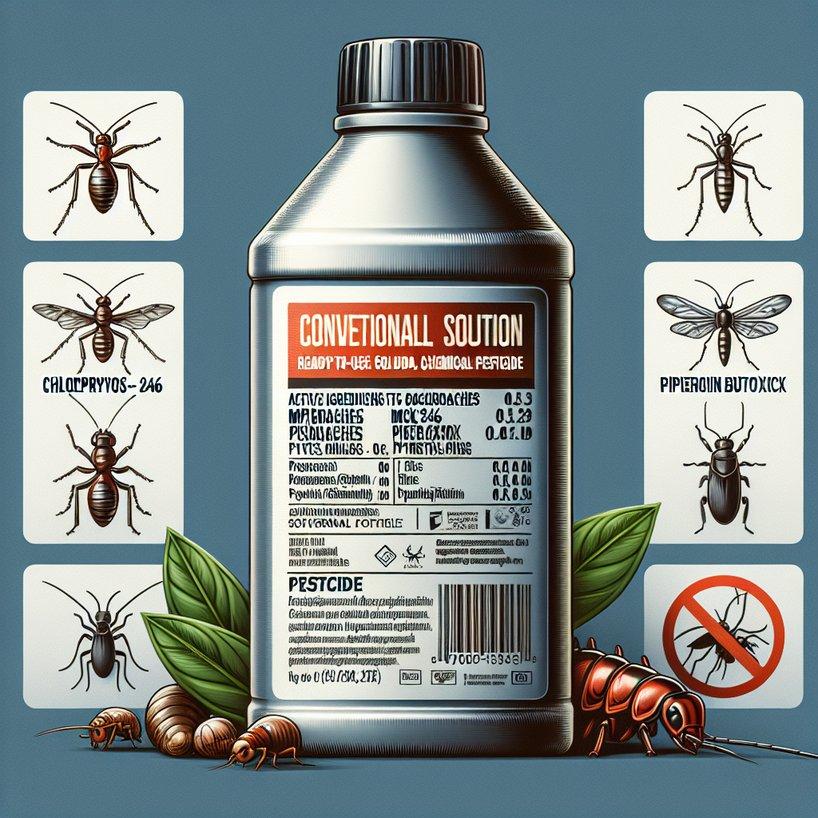
Yes, Household Insecticide (With Dursan*) is toxic to pets. Household Insecticide (With Dursan*) is a product designed to control insect pests in domestic environments. Although the product details regarding manufacturer and form are not available, its active ingredients provide clues about its use and efficacy. ### Active Ingredients: 1. **Chlorpyrifos (0.5%)**: An organophosphate insecticide that affects the nervous system of insects by inhibiting the enzyme acetylcholinesterase. 2. **MGK 264 (0.3%)**: A synergist that enhances the effectiveness of other insecticides. 3. **Piperonyl butoxide (0.2%)**: Another synergist used to increase the potency of pyrethrins and other insecticides. 4. **Pyrethrins (0.1%)**: Natural insecticides derived from chrysanthemum flowers, effective against a wide range of insect pests. ### Usage: While exact details about the formulation and application method (aerosol, liquid, bait, etc.) are not provided, products with these active ingredients are commonly used as sprays or foggers. They are typically applied in areas where insects are found or likely to enter, such as around baseboards, crevices, and other entry points. The goal is to kill adult insects and disrupt their breeding cycles. ### Toxicity: #### Cats: - **Chlorpyrifos**: Highly toxic to cats, can cause symptoms such as drooling, vomiting, muscle twitching, incoordination, and convulsions. - **MGK 264**: Generally low toxicity, but can still cause irritation and other mild symptoms if ingested or inhaled. - **Piperonyl butoxide**: Low toxicity, but chronic exposure may be harmful. - **Pyrethrins**: Toxic to cats, can cause tremors, seizures, and sometimes even death due to their highly sensitive liver metabolism system which inadequately processes these compounds. #### Dogs: - **Chlorpyrifos**: Toxic to dogs as well, though they are somewhat less sensitive compared to cats. Symptoms include vomiting, diarrhea, excessive salivation, lethargy, and muscle tremors. - **MGK 264 and Piperonyl butoxide**: Generally low toxicity, though ingestion can still cause gastrointestinal irritation and other mild symptoms. - **Pyrethrins**: Also toxic to dogs, but less so than in cats. Symptoms can include drooling, nausea, vomiting, incoordination, and tremors. ### Precautions: - Always read and follow label instructions for safe use. - Ensure proper ventilation when applying the product indoors. - Remove pets, including cats and dogs, from treated areas until the pesticide has dried or settled completely. - Store the product out of reach of pets and children to avoid accidental exposure. Through responsible usage and adherence to safety guidelines, this household insecticide can effectively manage pests while minimizing risks to pets.
Toxic - Danger
This can be dangerous at any amount. Contact your veterinarian or poison control immediately if your pet is exposed.
Household Insecticide (With Dursan*) is a product designed to control insect pests in domestic environments. Although the product details regarding manufacturer and form are not available, its active ingredients provide clues about its use and efficacy. ### Active Ingredients: 1. **Chlorpyrifos (0.5%)**: An organophosphate insecticide that affects the nervous system of insects by inhibiting the enzyme acetylcholinesterase. 2. **MGK 264 (0.3%)**: A synergist that enhances the effectiveness of other insecticides. 3. **Piperonyl butoxide (0.2%)**: Another synergist used to increase the potency of pyrethrins and other insecticides. 4. **Pyrethrins (0.1%)**: Natural insecticides derived from chrysanthemum flowers, effective against a wide range of insect pests. ### Usage: While exact details about the formulation and application method (aerosol, liquid, bait, etc.) are not provided, products with these active ingredients are commonly used as sprays or foggers. They are typically applied in areas where insects are found or likely to enter, such as around baseboards, crevices, and other entry points. The goal is to kill adult insects and disrupt their breeding cycles. ### Toxicity: #### Cats: - **Chlorpyrifos**: Highly toxic to cats, can cause symptoms such as drooling, vomiting, muscle twitching, incoordination, and convulsions. - **MGK 264**: Generally low toxicity, but can still cause irritation and other mild symptoms if ingested or inhaled. - **Piperonyl butoxide**: Low toxicity, but chronic exposure may be harmful. - **Pyrethrins**: Toxic to cats, can cause tremors, seizures, and sometimes even death due to their highly sensitive liver metabolism system which inadequately processes these compounds. #### Dogs: - **Chlorpyrifos**: Toxic to dogs as well, though they are somewhat less sensitive compared to cats. Symptoms include vomiting, diarrhea, excessive salivation, lethargy, and muscle tremors. - **MGK 264 and Piperonyl butoxide**: Generally low toxicity, though ingestion can still cause gastrointestinal irritation and other mild symptoms. - **Pyrethrins**: Also toxic to dogs, but less so than in cats. Symptoms can include drooling, nausea, vomiting, incoordination, and tremors. ### Precautions: - Always read and follow label instructions for safe use. - Ensure proper ventilation when applying the product indoors. - Remove pets, including cats and dogs, from treated areas until the pesticide has dried or settled completely. - Store the product out of reach of pets and children to avoid accidental exposure. Through responsible usage and adherence to safety guidelines, this household insecticide can effectively manage pests while minimizing risks to pets.
Worried about your pet?
Get personalized guidance for Household Insecticide (With Dursan*) exposure based on your pet's weight and breed.
What To Do If Your Pet Ate Household Insecticide (With Dursan*)
Stay calm and remove your pet from the source
Contact your veterinarian immediately
Call ASPCA Poison Control: (888) 426-4435
Be honest — you won't remember this article at 2am when your pet eats something.
Skip the Googling next time. Scan Household Insecticide (With Dursan*) (or anything else) in ToxiPets and get an instant answer personalized to your pet's weight and breed.
Stop Googling. Start scanning.
Next time your pet gets into something, skip the articles. Open ToxiPets, scan it, and get a personalized answer in seconds — based on your pet's weight, breed, and health.
Free to download • Used by 50,000+ pet parents