
Is Household Insect Spray Toxic to Dogs and Cats?
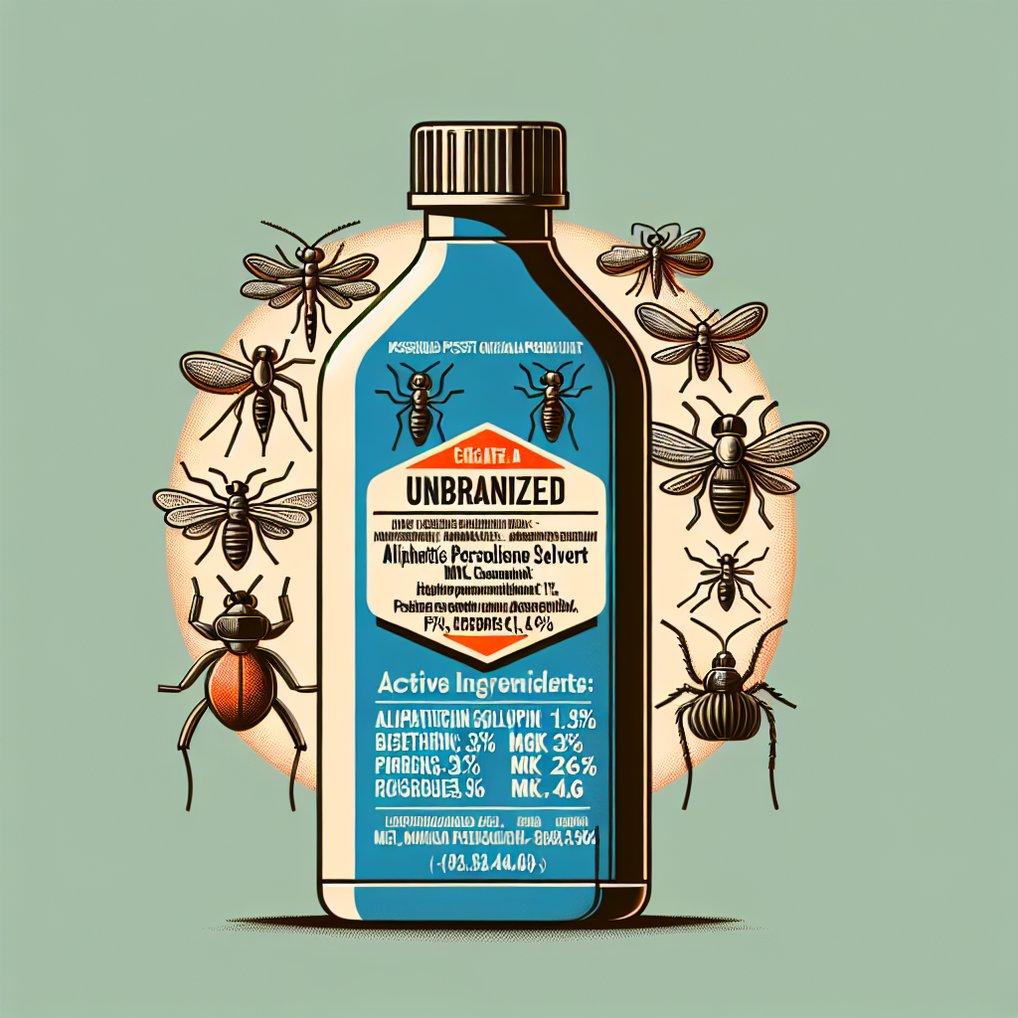
Yes, Household Insect Spray is toxic to pets. Household Insect Spray is a pesticide product designed for home use, containing several active ingredients. These ingredients include Aliphatic petroleum solvent (8.1%), Bioallethrin (0.3%), MGK 264 (1%), and Piperonyl butoxide (0.6%). Though neither the form of the pesticide nor the manufacturer is specified, this product is generally intended for indoor application to control a variety of household pests. ### Active Ingredients and Their Function: 1. **Aliphatic Petroleum Solvent (8.1%)**: Used often as a carrier solvent, this ingredient helps to dissolve other active substances in the formulation. 2. **Bioallethrin (0.3%)**: A synthetic pyrethroid insecticide known for its efficacy against a wide range of pests by affecting their nervous system. 3. **MGK 264 (1%)**: This is a synergist that enhances the efficacy of pyrethroid-based insecticides such as Bioallethrin. 4. **Piperonyl Butoxide (0.6%)**: Another synergist that inhibits the enzymes pests use to detoxify insecticides, thereby increasing their effectiveness. ### Typical Uses: The exact application method for Household Insect Spray is unspecified due to the missing information on its form and usage mode. However, typical household insect sprays are used in the following ways: - **Spot Treatments**: Directly spraying onto visible pests and areas where pests are commonly found. - **Preventative Treatments**: Applying to baseboards, under sinks, around windows, and other entry points to prevent pest infestations. ### Toxicity for Pets: #### Cats: - **High Risk**: Cats are particularly sensitive to pyrethroids, such as Bioallethrin, which is present in the spray. Even small amounts of such chemicals can be toxic to cats, leading to symptoms like tremors, drooling, incoordination, seizures, or even death in severe cases. - **Precaution Required**: When using this product in households with cats, it is crucial to isolate cats from treated areas until the product has dried and the area is well-ventilated. Always read and follow the label instructions carefully and consider consulting a veterinarian if your cat shows symptoms of poisoning. #### Dogs: - **Moderate Risk**: Dogs are generally less sensitive to pyrethroids compared to cats but can still suffer from toxicity if exposed to large amounts. Symptoms in dogs can include drooling, tremors, vomiting, and, in severe cases, respiratory issues or seizures. - **Safety Measures**: Similar precautions should be taken when using this spray around dogs. Ensure treated areas are dry and well-aired before allowing dogs back in. Watch for any signs of distress or poisoning and consult a vet if you suspect exposure. ### Conclusion: Household Insect Spray can be an effective tool for controlling household pests due to its diverse active ingredient composition. However, due to the significant risk of toxicity, particularly to cats, it is essential to use this product with caution in pet-inhabited environments. Always follow safety guidelines, and if uncertain, seek advice from pest control professionals or veterinarians to ensure the safety of your pets.
Toxic - Danger
This can be dangerous at any amount. Contact your veterinarian or poison control immediately if your pet is exposed.
Household Insect Spray is a pesticide product designed for home use, containing several active ingredients. These ingredients include Aliphatic petroleum solvent (8.1%), Bioallethrin (0.3%), MGK 264 (1%), and Piperonyl butoxide (0.6%). Though neither the form of the pesticide nor the manufacturer is specified, this product is generally intended for indoor application to control a variety of household pests. ### Active Ingredients and Their Function: 1. **Aliphatic Petroleum Solvent (8.1%)**: Used often as a carrier solvent, this ingredient helps to dissolve other active substances in the formulation. 2. **Bioallethrin (0.3%)**: A synthetic pyrethroid insecticide known for its efficacy against a wide range of pests by affecting their nervous system. 3. **MGK 264 (1%)**: This is a synergist that enhances the efficacy of pyrethroid-based insecticides such as Bioallethrin. 4. **Piperonyl Butoxide (0.6%)**: Another synergist that inhibits the enzymes pests use to detoxify insecticides, thereby increasing their effectiveness. ### Typical Uses: The exact application method for Household Insect Spray is unspecified due to the missing information on its form and usage mode. However, typical household insect sprays are used in the following ways: - **Spot Treatments**: Directly spraying onto visible pests and areas where pests are commonly found. - **Preventative Treatments**: Applying to baseboards, under sinks, around windows, and other entry points to prevent pest infestations. ### Toxicity for Pets: #### Cats: - **High Risk**: Cats are particularly sensitive to pyrethroids, such as Bioallethrin, which is present in the spray. Even small amounts of such chemicals can be toxic to cats, leading to symptoms like tremors, drooling, incoordination, seizures, or even death in severe cases. - **Precaution Required**: When using this product in households with cats, it is crucial to isolate cats from treated areas until the product has dried and the area is well-ventilated. Always read and follow the label instructions carefully and consider consulting a veterinarian if your cat shows symptoms of poisoning. #### Dogs: - **Moderate Risk**: Dogs are generally less sensitive to pyrethroids compared to cats but can still suffer from toxicity if exposed to large amounts. Symptoms in dogs can include drooling, tremors, vomiting, and, in severe cases, respiratory issues or seizures. - **Safety Measures**: Similar precautions should be taken when using this spray around dogs. Ensure treated areas are dry and well-aired before allowing dogs back in. Watch for any signs of distress or poisoning and consult a vet if you suspect exposure. ### Conclusion: Household Insect Spray can be an effective tool for controlling household pests due to its diverse active ingredient composition. However, due to the significant risk of toxicity, particularly to cats, it is essential to use this product with caution in pet-inhabited environments. Always follow safety guidelines, and if uncertain, seek advice from pest control professionals or veterinarians to ensure the safety of your pets.
Worried about your pet?
Get personalized guidance for Household Insect Spray exposure based on your pet's weight and breed.
What To Do If Your Pet Ate Household Insect Spray
Stay calm and remove your pet from the source
Contact your veterinarian immediately
Call ASPCA Poison Control: (888) 426-4435
Be honest — you won't remember this article at 2am when your pet eats something.
Skip the Googling next time. Scan Household Insect Spray (or anything else) in ToxiPets and get an instant answer personalized to your pet's weight and breed.
Stop Googling. Start scanning.
Next time your pet gets into something, skip the articles. Open ToxiPets, scan it, and get a personalized answer in seconds — based on your pet's weight, breed, and health.
Free to download • Used by 50,000+ pet parents