
Is Household Disinfectant Spray Toxic to Dogs and Cats?
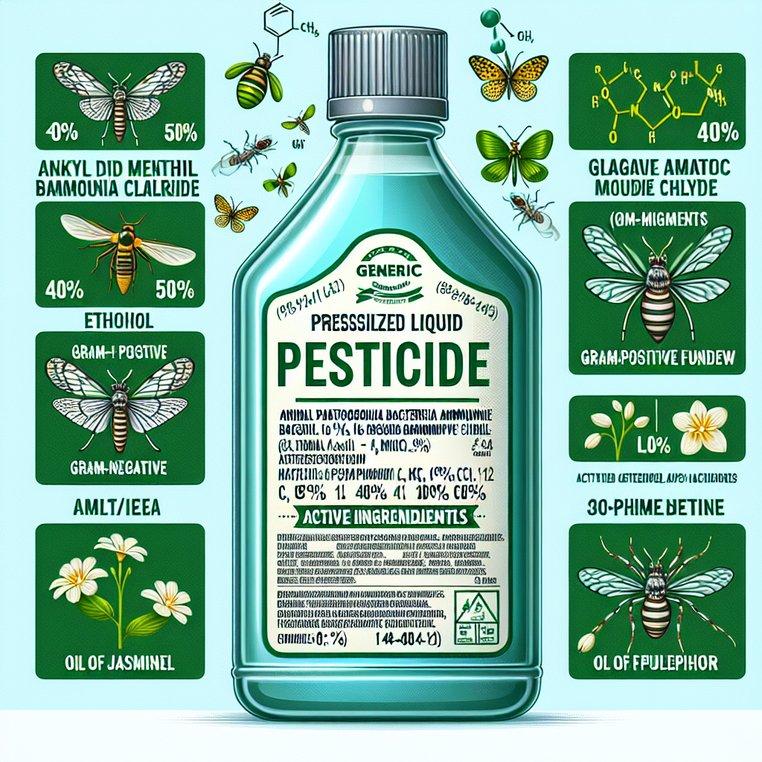
Yes, Household Disinfectant Spray is toxic to pets. The Household Disinfectant Spray is a pesticide product designed for household use, though specifics about the form (e.g., aerosol, liquid) and the manufacturer are not provided. This product's active ingredients include: - **Alkyl* dimethyl benzyl ammonium chloride *(50%C14, 40%C12, 10%C16)** (CAS 68424-85-1) at 0.33% - **Ethanol** (CAS 64-17-5) at 44.25% - **Oil of jasmine** (CAS 8022-96-6) at 0.8% - **o-Phenylphenol** (CAS 90-43-7) at 0.25% The primary purpose of this disinfectant spray is typically to eliminate germs and bacteria on surfaces, contributing to a cleaner and more hygienic household environment. Information regarding the control of pests is not available (N/A), suggesting it may not be specifically aimed at pest control but rather at disinfecting surfaces. ### Typical Use The Household Disinfectant Spray is usually applied by spraying it directly onto surfaces that require disinfection. It is essential to follow the manufacturer's guidelines for safe and effective use, such as allowing the spray to sit for a designated contact time to kill bacteria and viruses effectively. ### Toxicity to Pets #### Cats: - **Ethanol:** Highly toxic if ingested. Symptoms of ethanol poisoning in cats include vomiting, diarrhea, decreased coordination, central nervous system depression, respiratory problems, and potentially fatal outcomes. - **Alkyl dimethyl benzyl ammonium chloride:** Low to moderate toxicity. Ingestion or direct contact can cause mouth, throat, and stomach irritation, leading to drooling, vomiting, and difficulty swallowing. - **Oil of jasmine:** Generally not considered highly toxic, but essential oils can cause gastrointestinal upset and other symptoms if ingested. - **o-Phenylphenol:** Can cause mucous membrane and skin irritation and is harmful if ingested, potentially leading to gastrointestinal distress and central nervous system effects. #### Dogs: - **Ethanol:** Like with cats, ethanol is highly toxic. In dogs, it can cause similar symptoms, such as vomiting, diarrhea, central nervous system depression, and even coma or death. - **Alkyl dimethyl benzyl ammonium chloride:** Can cause skin and gastrointestinal irritation upon contact or ingestion, leading to symptoms like drooling, vomiting, and difficulty swallowing. - **Oil of jasmine:** While not known to be highly toxic, ingestion might lead to gastrointestinal upset. - **o-Phenylphenol:** Ingestion or prolonged skin contact can cause irritation, leading to gastrointestinal distress and other systemic effects. ### Safety Measures To safeguard the wellbeing of pets, it is crucial to prevent them from coming into contact with treated surfaces until the product has dried completely. Accidental ingestion should be addressed promptly by seeking veterinary care. Always keep household disinfectants and other chemicals out of reach of pets and follow all usage instructions carefully.
Toxic - Danger
This can be dangerous at any amount. Contact your veterinarian or poison control immediately if your pet is exposed.
The Household Disinfectant Spray is a pesticide product designed for household use, though specifics about the form (e.g., aerosol, liquid) and the manufacturer are not provided. This product's active ingredients include: - **Alkyl* dimethyl benzyl ammonium chloride *(50%C14, 40%C12, 10%C16)** (CAS 68424-85-1) at 0.33% - **Ethanol** (CAS 64-17-5) at 44.25% - **Oil of jasmine** (CAS 8022-96-6) at 0.8% - **o-Phenylphenol** (CAS 90-43-7) at 0.25% The primary purpose of this disinfectant spray is typically to eliminate germs and bacteria on surfaces, contributing to a cleaner and more hygienic household environment. Information regarding the control of pests is not available (N/A), suggesting it may not be specifically aimed at pest control but rather at disinfecting surfaces. ### Typical Use The Household Disinfectant Spray is usually applied by spraying it directly onto surfaces that require disinfection. It is essential to follow the manufacturer's guidelines for safe and effective use, such as allowing the spray to sit for a designated contact time to kill bacteria and viruses effectively. ### Toxicity to Pets #### Cats: - **Ethanol:** Highly toxic if ingested. Symptoms of ethanol poisoning in cats include vomiting, diarrhea, decreased coordination, central nervous system depression, respiratory problems, and potentially fatal outcomes. - **Alkyl dimethyl benzyl ammonium chloride:** Low to moderate toxicity. Ingestion or direct contact can cause mouth, throat, and stomach irritation, leading to drooling, vomiting, and difficulty swallowing. - **Oil of jasmine:** Generally not considered highly toxic, but essential oils can cause gastrointestinal upset and other symptoms if ingested. - **o-Phenylphenol:** Can cause mucous membrane and skin irritation and is harmful if ingested, potentially leading to gastrointestinal distress and central nervous system effects. #### Dogs: - **Ethanol:** Like with cats, ethanol is highly toxic. In dogs, it can cause similar symptoms, such as vomiting, diarrhea, central nervous system depression, and even coma or death. - **Alkyl dimethyl benzyl ammonium chloride:** Can cause skin and gastrointestinal irritation upon contact or ingestion, leading to symptoms like drooling, vomiting, and difficulty swallowing. - **Oil of jasmine:** While not known to be highly toxic, ingestion might lead to gastrointestinal upset. - **o-Phenylphenol:** Ingestion or prolonged skin contact can cause irritation, leading to gastrointestinal distress and other systemic effects. ### Safety Measures To safeguard the wellbeing of pets, it is crucial to prevent them from coming into contact with treated surfaces until the product has dried completely. Accidental ingestion should be addressed promptly by seeking veterinary care. Always keep household disinfectants and other chemicals out of reach of pets and follow all usage instructions carefully.
Worried about your pet?
Get personalized guidance for Household Disinfectant Spray exposure based on your pet's weight and breed.
What To Do If Your Pet Ate Household Disinfectant Spray
Stay calm and remove your pet from the source
Contact your veterinarian immediately
Call ASPCA Poison Control: (888) 426-4435
Be honest — you won't remember this article at 2am when your pet eats something.
Skip the Googling next time. Scan Household Disinfectant Spray (or anything else) in ToxiPets and get an instant answer personalized to your pet's weight and breed.
Stop Googling. Start scanning.
Next time your pet gets into something, skip the articles. Open ToxiPets, scan it, and get a personalized answer in seconds — based on your pet's weight, breed, and health.
Free to download • Used by 50,000+ pet parents